

In today’s fast-paced business environment, traditional project management approaches often struggle to keep up with the dynamic demands of modern projects. This is where Agile project management shines, offering a flexible and iterative approach that prioritizes adaptability, collaboration, and rapid responses to change. In this blog post, we will delve into the fundamentals of Agile project management, explore its principles and methodologies, and showcase how tools like Cirkus can enhance your Agile workflows.
What Is Agile Project Management?
Agile project management principles, initially developed for software and now widely adopted across various sectors, emphasize iterative development. Projects are segmented into manageable iterations or sprints, typically lasting one to four weeks. During each sprint, diverse teams collaborate intensively to achieve incremental product enhancements
These principles stem from the Agile Manifesto, which values:
- Prioritizing individuals and interactions over rigid processes and tools.
- Emphasizing functional software over exhaustive documentation.
- Fostering customer collaboration over strict contract negotiations.
- Remaining adaptable to change rather than adhering strictly to predetermined plans.
These principles are particularly crucial for large enterprises seeking Agile project management to navigate complex projects and competitive markets. By embracing Agile methodologies, organizations can enhance customer satisfaction through early and continuous delivery of valuable solutions, effectively respond to evolving demands, and empower their teams to excel in dynamic environments.
What Are the Advantages of Agile Project Management?
The advantages of Agile project management are manifold:
- Flexibility and Adaptability: Agile methods enable teams to respond quickly to changes in project scope, priorities, or requirements.
- Enhanced Stakeholder Engagement: Regular feedback loops and customer collaboration ensure that the delivered product meets stakeholders’ expectations.
- Improved Quality: Continuous testing and integration throughout the development process lead to higher-quality deliverables.
- Predictable Costs and Schedule: Iterative planning and delivery allow for better predictability in terms of costs and project timelines.
Understanding what is agile methodology in project management highlights these advantages, making it clear why Agile is a preferred approach in many industries.
How to Implement Agile Project Management?
Implementing Agile project management requires a strategic approach tailored to your organization’s needs. Here are five key steps to get started:
Step 1: Get Stakeholder Buy-in
Aligning stakeholders with the Agile approach involves highlighting its substantial benefits and demonstrating how it directly aligns with organizational goals. By showcasing Agile’s capacity to foster flexibility, enhance product quality through iterative development, and improve responsiveness to market changes, stakeholders can better grasp its potential impact on project outcomes. This proactive approach not only cultivates buy-in but also sets a clear path for effectively manage projects within the Agile framework, ensuring alignment with strategic objectives and maximizing project success.
Step 2: Start With One Project
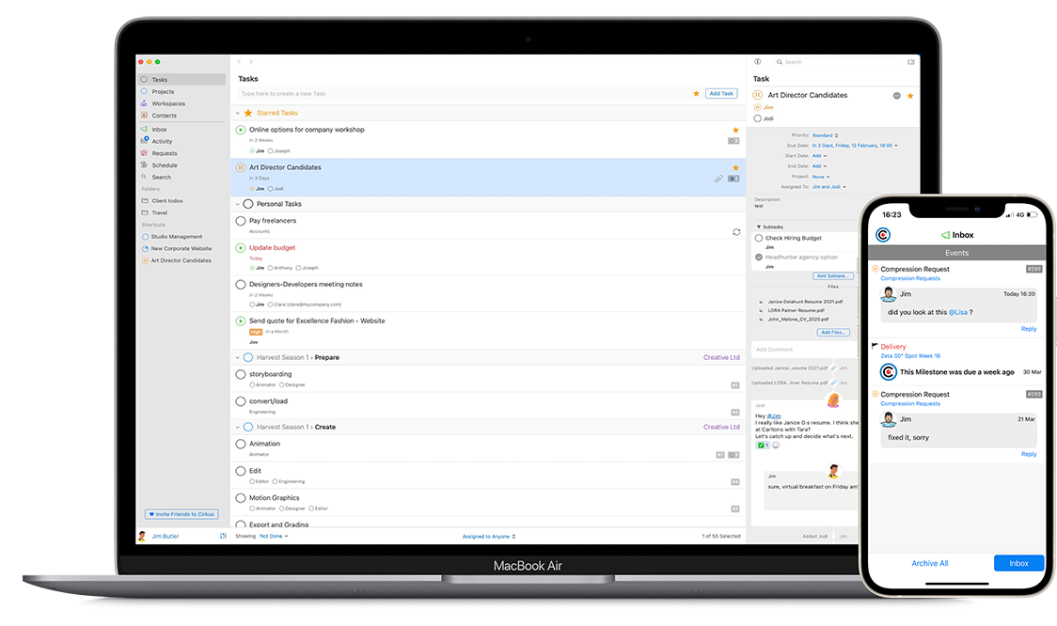
To build confidence and gather feedback, pilot Agile methodologies on a single project. With Cirkus, to create a project is quick and straightforward, streamlining initiation and setup. This ease of use allows teams to focus on execution and collaboration, ensuring a smooth transition to Agile methodologies across broader organizational initiatives.
Step 3: Empower and Inspire Your Team
Fostering a culture of collaboration, trust, and accountability among team members is essential for promoting self-organizing teams. When team members feel empowered to take initiative and make decisions collaboratively, it enhances overall productivity and innovation. By cultivating an environment where open communication and mutual respect are prioritized, organizations can harness the collective expertise and creativity of their teams. This approach not only strengthens team dynamics but also fosters a sense of ownership and commitment to achieving shared goals, driving sustained success and growth within the organization.
Step 4: Select a Structure and Stick With It
Selecting an Agile framework such as Scrum, Kanban, or Lean and adhering to its principles is crucial for maintaining consistency and maximizing benefits. By embracing a structured approach tailored to the team’s specific needs and project requirements, organizations can effectively streamline workflows, optimize productivity, and enhance overall project outcomes. Agile project management examples demonstrate how this disciplined approach fosters clarity and alignment within the team, while also promoting continuous improvement and adaptability in response to evolving project dynamics.
Step 5: Review and Adapt
Regularly evaluating performance metrics and gathering team feedback are essential steps in Agile project management. By analyzing these insights, teams can identify areas for improvement and make informed adjustments to enhance workflow efficiency and productivity. Utilizing tools like Cirkus, which offers comprehensive resources for workflow analysis, allows teams to delve deeper into their processes. This enables them to refine strategies, optimize task management, and ensure continuous alignment with project goals and Agile principles. Such proactive measures not only foster a culture of continuous improvement but also drive meaningful results in project delivery and team performance.
Determine if Agile Management Is Right for Your Team
Considering whether Agile management aligns with your team’s needs involves evaluating factors such as team size, project complexity, and organizational culture. While agile project management methodologies offer benefits like adaptability and enhanced stakeholder engagement, their suitability hinges on these critical elements.
To support Agile workflows effectively, Cirkus provides a robust platform tailored for Agile project management methodologies. This includes intuitive features such as project timeline creation to visualize schedules and milestones, workflow analysis tools for optimizing efficiency and productivity, and robust task management capabilities for seamless assignment, progress tracking, and team collaboration. Whether you’re exploring Agile methodologies for the first time or looking to enhance your current practices, Cirkus offers the tools necessary to tackle modern project management challenges efficiently.
Conclusion
Agile project management transcends mere methodology; it embodies a mindset that empowers teams to deliver value swiftly and adapt seamlessly to evolving conditions. By embracing Agile principles and harnessing tools such as Cirkus, organizations can cultivate innovation, optimize project outcomes, and maintain competitiveness in today’s dynamic marketplace.
For large enterprises, Cirkus proves invaluable by providing robust support for Agile methodologies. Its features, including streamlined project timeline creation, comprehensive workflow analysis capabilities, and robust task management functionalities, cater specifically to the complex needs of big companies. Whether initiating Agile practices or refining existing methods, integrating Cirkus into project management processes promises enhanced efficiency and heightened collaboration across teams. Embrace agility today with Cirkus and revolutionize your approach to project management!