

Waterfall project management remains one of the foundational methodologies in project execution. Despite the rise of Agile and other flexible frameworks,it continues to offer a structured and disciplined approach suited for many types of projects. This article dives deep into waterfall project management, explaining what it is, how it works, when to use it, and how teams can maximize its benefits with modern collaboration tools.
What Is Waterfall Project Management?
Waterfall project management is a linear and sequential approach where the project progresses through clearly defined phases. Each phase must be completed before the next begins, creating a “waterfall” effect as tasks cascade from one stage to the next.
Core characteristics of waterfall project management include:
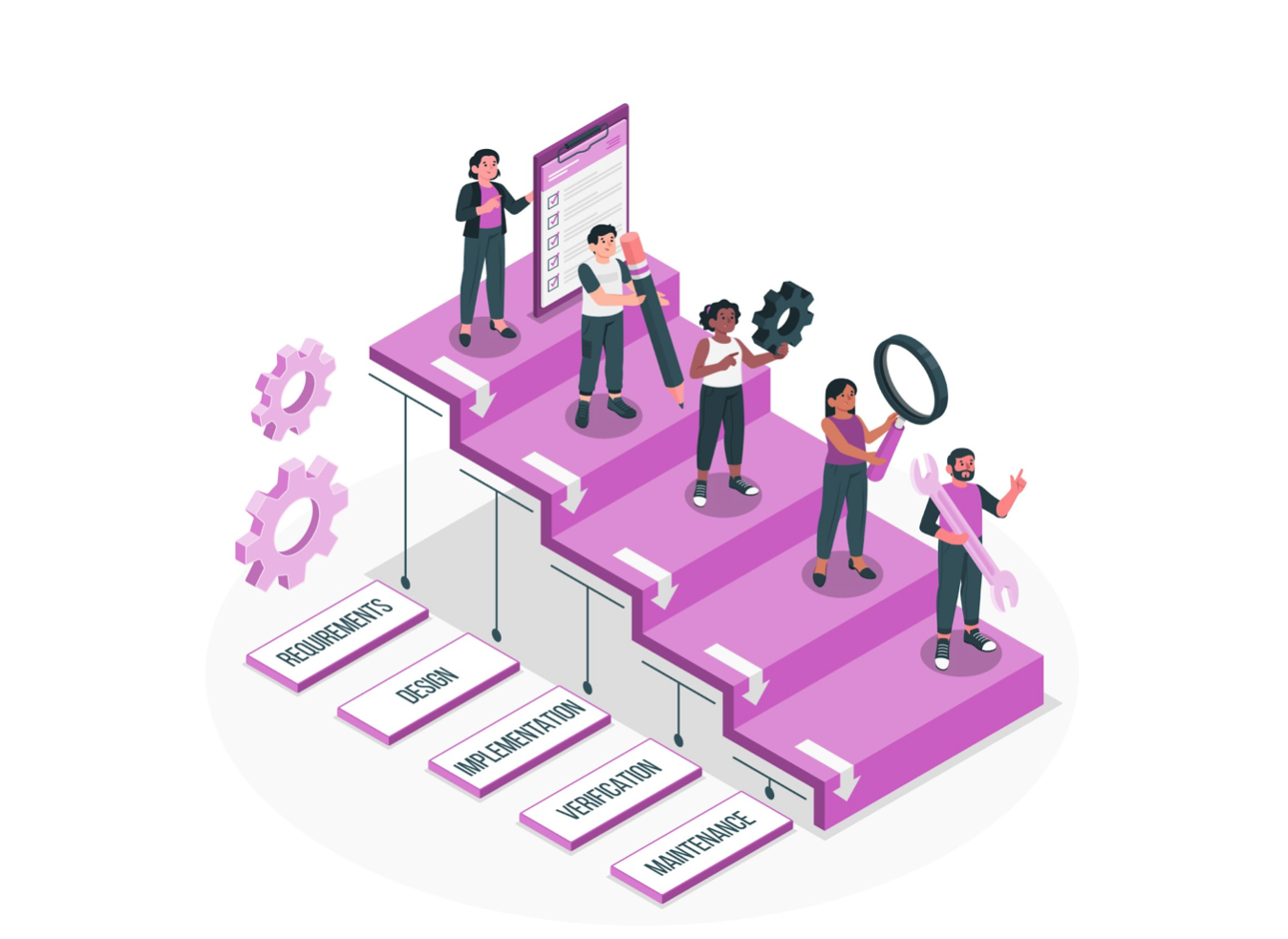
- Sequential Phases: Requirements → Design → Implementation → Verification → Maintenance
- Clear Deliverables: Each phase produces specific, documented outputs
- Fixed Scope: Changes are minimized once the project has started
- Strong Documentation: Detailed plans and approvals guide progress
Originally developed for engineering and manufacturing, waterfall project management is now widely applied in software development, construction, and industries requiring rigid compliance.
How Waterfall Project Management Works: Step-by-Step
Understanding each phase helps teams plan and execute efficiently.
Requirements
This foundational phase involves gathering comprehensive project requirements from all stakeholders. The team clarifies and documents these requirements in detail, ensuring everyone’s expectations align and obtaining formal approval to avoid ambiguity later in the process.
Design
Based on the finalized requirements, the team develops a detailed system architecture and design specifications. This blueprint guides the implementation team and establishes a shared understanding of the project’s structure and functionality.
Implementation
During this phase, the development team constructs the product by following the design specifications precisely. The focus is on delivering all outlined features within the agreed-upon scope and timeline.
Verification
After implementation, the product undergoes rigorous verification through comprehensive testing. This phase aims to detect and resolve any defects and to confirm that the final product meets all the documented requirements before it is deployed.
Maintenance:
Once the product is deployed, ongoing maintenance begins, including support, updates, and necessary fixes to ensure the product continues to perform effectively and adapt to any changes or issues over time.
Each phase acts as a gatekeeper, meaning work on the next phase only begins after the current phase has been formally completed and approved by all relevant stakeholders.
Advantages of Waterfall Project Management
Waterfall project management offers several key benefits:
- Clear Structure: Defined stages with specific deliverables make planning and tracking straightforward.
- Predictability: Fixed scope, schedules, and budgets make resource allocation and timelines reliable.
- Extensive Documentation: This is valuable for compliance, audits, and onboarding new team members.
- Ease of Management: Managers can clearly assign tasks and resources phase by phase.
- Ideal for Stable Projects: Where requirements don’t change frequently.
For teams in regulated industries or projects with complex workflows, these advantages make waterfall project management the preferred methodology.
Limitations of Waterfall Project Management
Waterfall project management also has challenges teams must understand:
- Inflexibility: After a phase completes, revisiting or changing it is often difficult and costly.
- Late Testing: Discovering critical issues near the end can cause delays or rework.
- Slow to Adapt: Changing customer needs or market conditions are hard to incorporate midstream.
- Siloed Communication: Distinct phases may lead to less cross-team collaboration and knowledge sharing.
Recognizing these limitations helps teams plan mitigation strategies to reduce risks.
When to Use Waterfall Project Management
Waterfall project management is not a one-size-fits-all solution; it works best when:
- Requirements are fixed and well-defined with little expected change.
- The project demands strict regulatory compliance and thorough documentation.
- Teams manage large-scale, complex projects involving multiple groups needing strong coordination.
- Budgets and deadlines are strictly fixed, requiring predictable timelines.
Because of its rigid structure, waterfall excels in environments where predictability and control are paramount. When project goals and deliverables are unlikely to shift, waterfall project management minimizes ambiguity and keeps everyone aligned through clear phase gates and formal approvals. This approach reduces the risk of scope creep and helps ensure that deliverables meet exact specifications, making it especially suitable for industries such as construction, manufacturing, healthcare, and government projects where precision and accountability are critical.
Project Condition | Suitability for Waterfall |
Stable, well-defined requirements | High |
Regulatory/compliance heavy projects | High |
Large-scale, multi-team coordination | High |
Projects with changing scopes | Low |
Carefully assess your project’s nature before choosing waterfall project management to ensure alignment with these conditions.
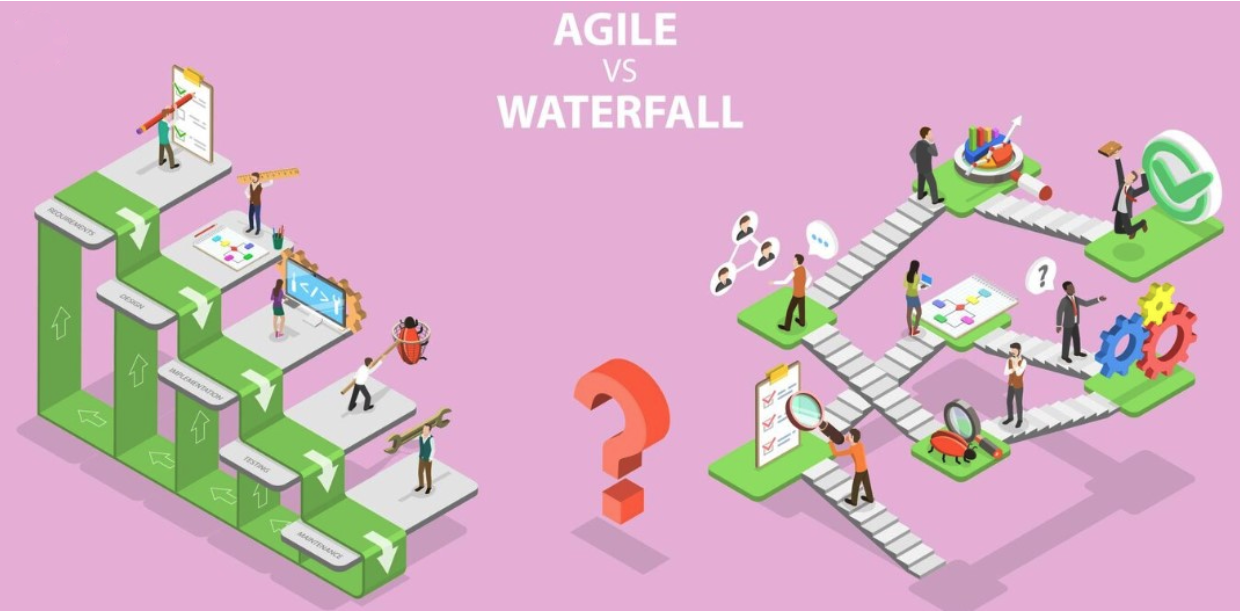
Waterfall vs Agile Project Management: Key Differences
Comparing waterfall project management with Agile helps clarify when to use each approach.
Approach
Waterfall follows a linear, sequential process, where each phase must be completed before the next begins. In contrast, Agile project management is iterative and incremental, with the project evolving through continuous cycles and feedback.
Flexibility
Waterfall has low flexibility, with a fixed scope defined early on. Once the project is in motion, changes are challenging and costly to implement. On the other hand, Agile thrives on high flexibility, allowing the scope to adapt as the project progresses and new insights emerge.
Delivery
In waterfall project management, delivery occurs in one final output, after completing all phases. Agile, however, delivers frequently, releasing smaller portions of the product at regular intervals, ensuring ongoing feedback and adjustments.
Documentation
Waterfall requires extensive documentation upfront, with detailed plans and specifications created before any work begins. Agile keeps documentation lightweight and ongoing, focusing on flexibility and evolving requirements over time.
Stakeholder Involvement
In waterfall project management, stakeholder involvement typically occurs at the start (during requirements gathering) and at the end (during delivery). In Agile, stakeholders are continuously engaged throughout the project, providing regular feedback to steer development.
Aspect | Waterfall Project Management | Agile |
Approach | Linear, sequential | Iterative, incremental |
Flexibility | Low – fixed scope | High – adapts to change |
Delivery | One final delivery | Frequent, smaller releases |
Documentation | Extensive, upfront | Lightweight, ongoing |
Stakeholder Involvement | Mostly at requirements and delivery | Continuous engagement |
Waterfall project management methodology offers predictability and control, while Agile project management thrives on adaptability and rapid feedback. Neither is universally better, the right choice depends on project needs.
How Project Management Tools Support Waterfall Project Management
Modern project management tools enhance waterfall project management by:
- Phase-Based Task Organization: Grouping and tracking tasks by waterfall project management phases keeps workflows orderly.
- Milestone Tracking: Visual timelines and milestones clarify progress and key dates.
- Approval Workflows: Enforcing phase gate approvals ensures quality and compliance before moving forward.
- Centralized Documentation: Storing all plans, requirements, and communications reduces risks of information loss.
- Resource Scheduling: Efficiently allocating and tracking resources across phases minimizes bottlenecks.
These capabilities increase transparency, accountability, and control which are all critical for waterfall project management success.
Tips for Successful Waterfall Project Management
Successfully managing a waterfall project management approach requires discipline, clear communication, and proactive planning. Here are key tips to help teams maximize the effectiveness of this methodology:
- Invest Time in Thorough Requirements Gathering
The success of any waterfall project management project heavily depends on how well the requirements are defined upfront. Spend sufficient time engaging stakeholders to gather clear, detailed, and comprehensive requirements. Ambiguities or gaps at this stage often lead to costly changes later. Make sure all parties review and formally approve the requirements before moving forward. - Maintain Clear Communication at Phase Boundaries
Each phase acts as a critical checkpoint. Before transitioning to the next phase, ensure that stakeholders and team members are fully aligned on deliverables, quality expectations, and any risks. Regularly scheduled reviews and sign-offs prevent misunderstandings and keep the project on track. - Utilize Robust Progress Tracking Tools
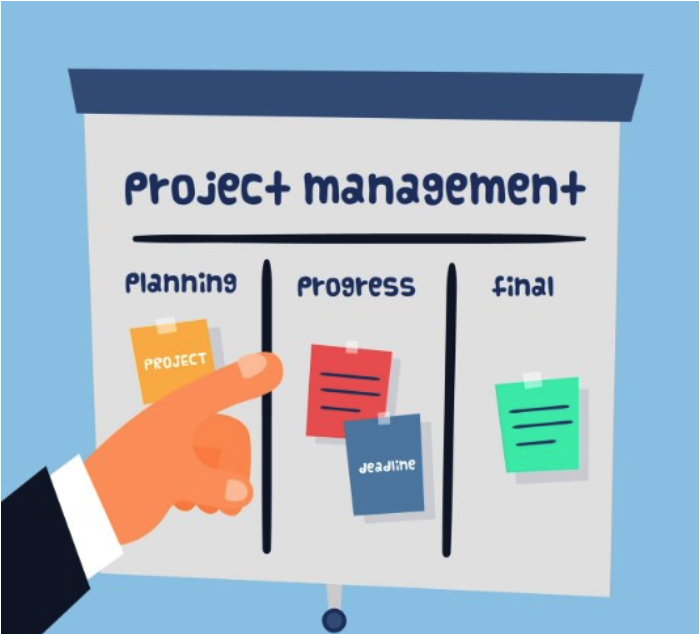
Leverage project management software that offers timeline views, milestone tracking, and real-time status updates. These tools provide visibility into where the project stands relative to schedule and help identify delays early, allowing for timely corrective actions.
- Proactively Identify Risks and Plan Contingencies
Because waterfall methodology project management projects tend to have limited flexibility, anticipating potential risks and preparing mitigation strategies is crucial. Maintain a risk register to document possible issues, assess their impact, and establish contingency plans to minimize disruption. - Document Decisions and Changes Meticulously
Waterfall project management projects rely on extensive documentation to provide clarity and accountability. Record every decision, change request, and approval in a centralized location accessible to all relevant team members. This practice aids in managing scope, supports audit requirements, and helps onboard new team members smoothly. - Avoid Rushing Through Phases
Each phase is essential for laying a solid foundation for the next. Resist the temptation to cut corners or overlap phases without completing required approvals. Skipping thoroughness early on can compound problems in later stages and lead to project failure. - Foster Cross-Team Collaboration Where Possible
Though waterfall project management phases are sequential, encourage communication and knowledge sharing between teams working on different stages. This collaboration can surface issues early and foster a more cohesive project culture. - Develop Strong Multitasking Skills to Manage Tasks Across Phases
In waterfall methodology project management, team members often need to handle multiple tasks within each phase, such as documentation, quality checks, and reporting. Having strong multitasking skills allows team members to efficiently manage different responsibilities and ensure that no phase is delayed. While waterfall projects may have distinct phases, the ability to handle multiple tasks concurrently within a phase is essential for maintaining momentum and meeting deadlines.
By applying these best practices, teams can enhance control, minimize risks, and increase the likelihood of delivering quality results on time and within budget.
Common Misconceptions About Waterfall Project Management
There are several myths surrounding waterfall project management that can lead to misunderstandings about its usefulness and application. Let’s debunk some of the most common misconceptions:
- Myth 1: Waterfall is outdated.
While Agile methodologies have gained popularity for their flexibility, waterfall project management remains highly relevant in many industries. It offers a level of structure and predictability that is critical in projects where requirements are unlikely to change, and strict regulatory compliance is mandatory. Many large-scale projects, especially in construction, manufacturing, and government sectors, still rely on it because of its clear documentation and control mechanisms. - Myth 2: Waterfall is inflexible.
It’s true that waterfall project management follows a sequential flow, but with proper planning and change management processes, it can incorporate controlled flexibility. Teams can build in review points and contingency plans to handle changes without compromising the overall project structure. Flexibility doesn’t mean abandoning discipline; it means adapting the approach thoughtfully to meet project needs. - Myth 3: Waterfall only suits software development.
Although waterfall project management originated in engineering and has been widely used in software, it is by no means limited to this field. Industries like construction, aerospace, healthcare, and government frequently employ it for complex projects requiring detailed documentation, approvals, and risk management.
Many organizations mistakenly assume that waterfall methodology is rigid and incompatible with modern project needs. However, when applied appropriately, it provides a reliable framework that ensures clarity, accountability, and quality outcomes. Understanding the realities allows teams to leverage its strengths and avoid dismissing a methodology that can be highly effective for the right project.
Conclusion
Waterfall project management remains a valuable approach for projects requiring structure, clarity, and predictability. By understanding its phases, strengths, and limitations, teams can apply it effectively where appropriate.
Pairing these principles with collaboration tools that support task sequencing, documentation, and milestone tracking helps streamline workflows and improve project outcomes. Mastering this methodology continues to be an important skill for project professionals across industries.