

Creative agencies operate differently from traditional project teams because briefs evolve, timelines shift, and client feedback often requires several revision rounds. Whether you’re working in media production, post-production, design, or content creation, your workflows are rarely linear. Ideas evolve, timelines shift, and projects often require multiple rounds of feedback before they’re ready for release.
That’s why project management for creative teams needs an approach tailored to the realities of creative work, one that supports experimentation while still keeping projects on track. With the right structure (and the right tools), project management can become seamless, intuitive, and even enjoyable for creative teams.
What Is Creative Project Management?
Creative project management is the process of planning, organizing, and executing work that is imaginative, collaborative, and iterative. Unlike traditional project management, built around rigid timelines and predictable outputs, creative projects are fluid and can change direction quickly.
Key differences from traditional project management:
- Creative work evolves: Designs, edits, cuts, and concepts may shift throughout the project.
- Feedback is ongoing: The review loop is not a single phase; it’s a recurring cycle.
- Flexibility is essential: Creative teams need room for spontaneity and iteration.
- Collaboration is constant: Designers, editors, producers, and clients all shape the final result.
Instead of assuming a fixed path, creative project planning embraces change while still maintaining structure, ensuring teams stay aligned even as ideas evolve.

- Collaborate from every device
- Automate tasks and workflows
- See all projects at a glance
- Make quotes in minutes
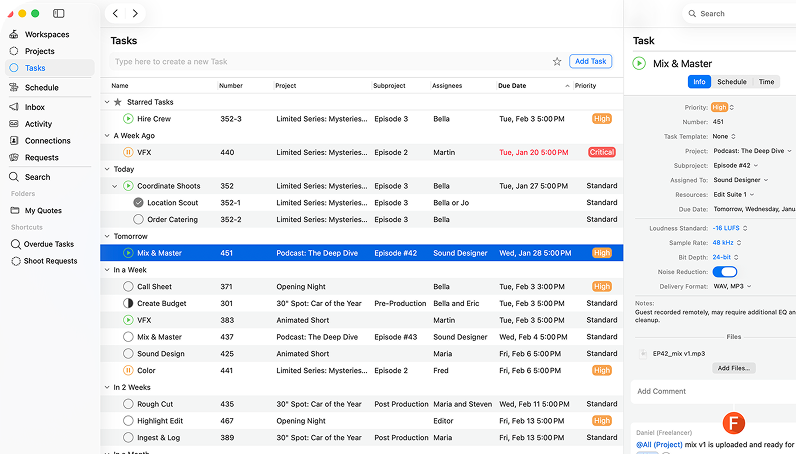
Project management for creative teams: From Concept to Completion
Creative projects flow through several key stages. While each project is unique, having a clear framework, and the right project management tools for creative teams, helps teams stay organized without limiting creativity. Below are the essential phases of creative project management and how to keep each one smooth and efficient.
Kickoff
The kickoff is where your creative project takes shape. It brings everyone together to align on goals, scope, audience, tone, and deliverables.
Why it matters:
A strong kickoff eliminates guesswork later. Misalignment here often leads to scope creep, rework, or unnecessary delays.
Best practices for a smooth kickoff:
- Encourage transparent discussions about expectations and creative direction.
- Define roles early – producers, editors, designers, motion artists, etc.
- Capture all ideas visually using collaboration tools like Cirkus, where teams can drop references, storyboards, scripts, or mood boards.
Planning
Planning turns your initial concept into a structured workflow. For creative and post-production teams, where multitasking skills are essential, this includes schedules, production timelines, resource allocation, and task breakdowns.
Why it matters:
Planning ensures deadlines are realistic and that each contributor knows exactly what they’re responsible for.
Tips for effective planning:
- Create timelines with flexibility for creative iterations.
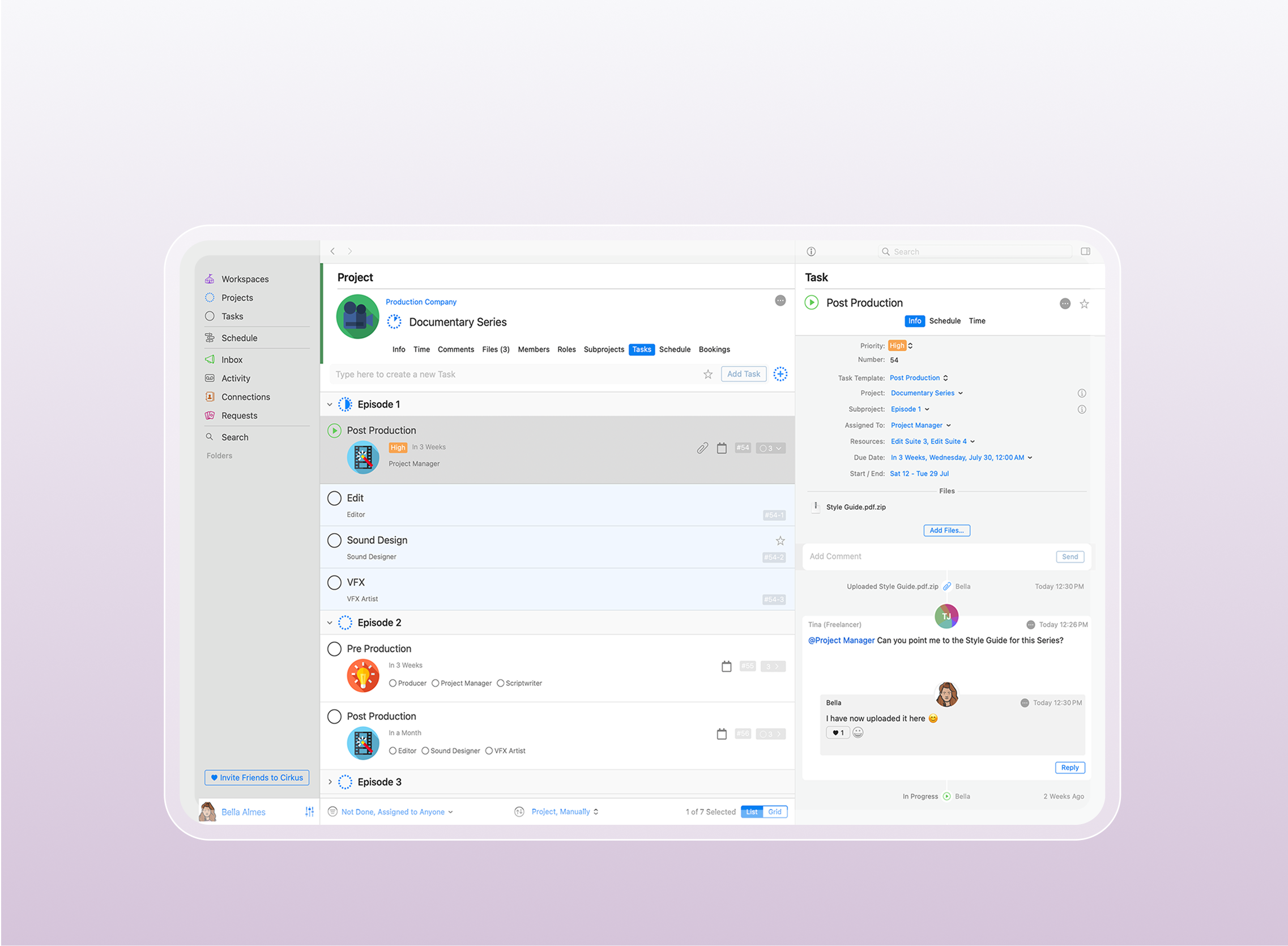
- Break complex deliverables into smaller tasks and assign them through, which keeps responsibilities visible and organized.
- Include contingency plans – creative work often needs adjustments due to client changes, unexpected edits, or new creative directions.
Execution
This is where the actual creative work happens: editing, animating, writing, designing, producing, color-grading, sound-mixing, and more.
Why it matters:
Execution is fast-moving. Without clear communication, teams can quickly fall out of sync, especially when multiple creative disciplines collaborate.
How to keep execution smooth:
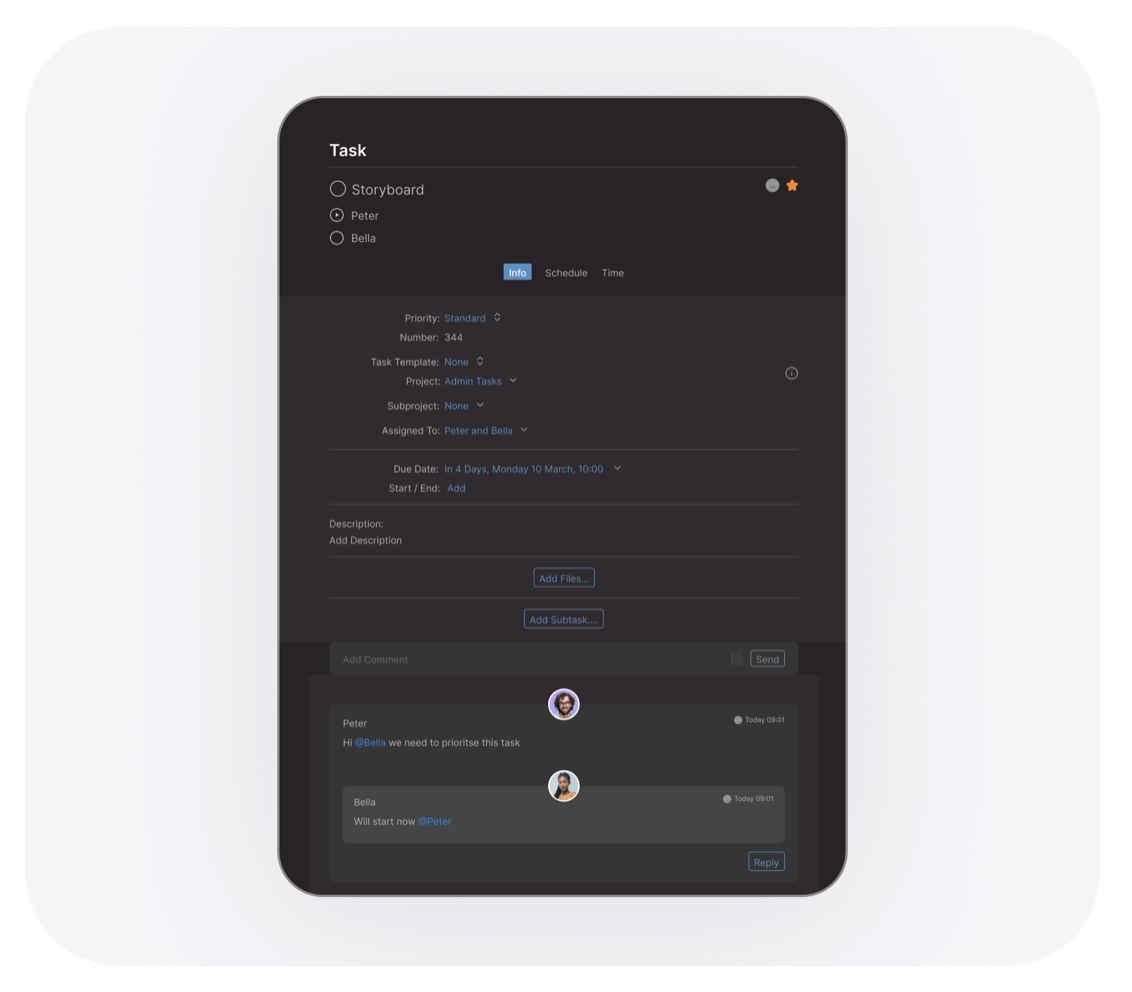
- Maintain real-time communication on progress and blockers to keep team collaboration smooth and prevent issues from piling up.
- Encourage frequent micro-check-ins to catch issues early.
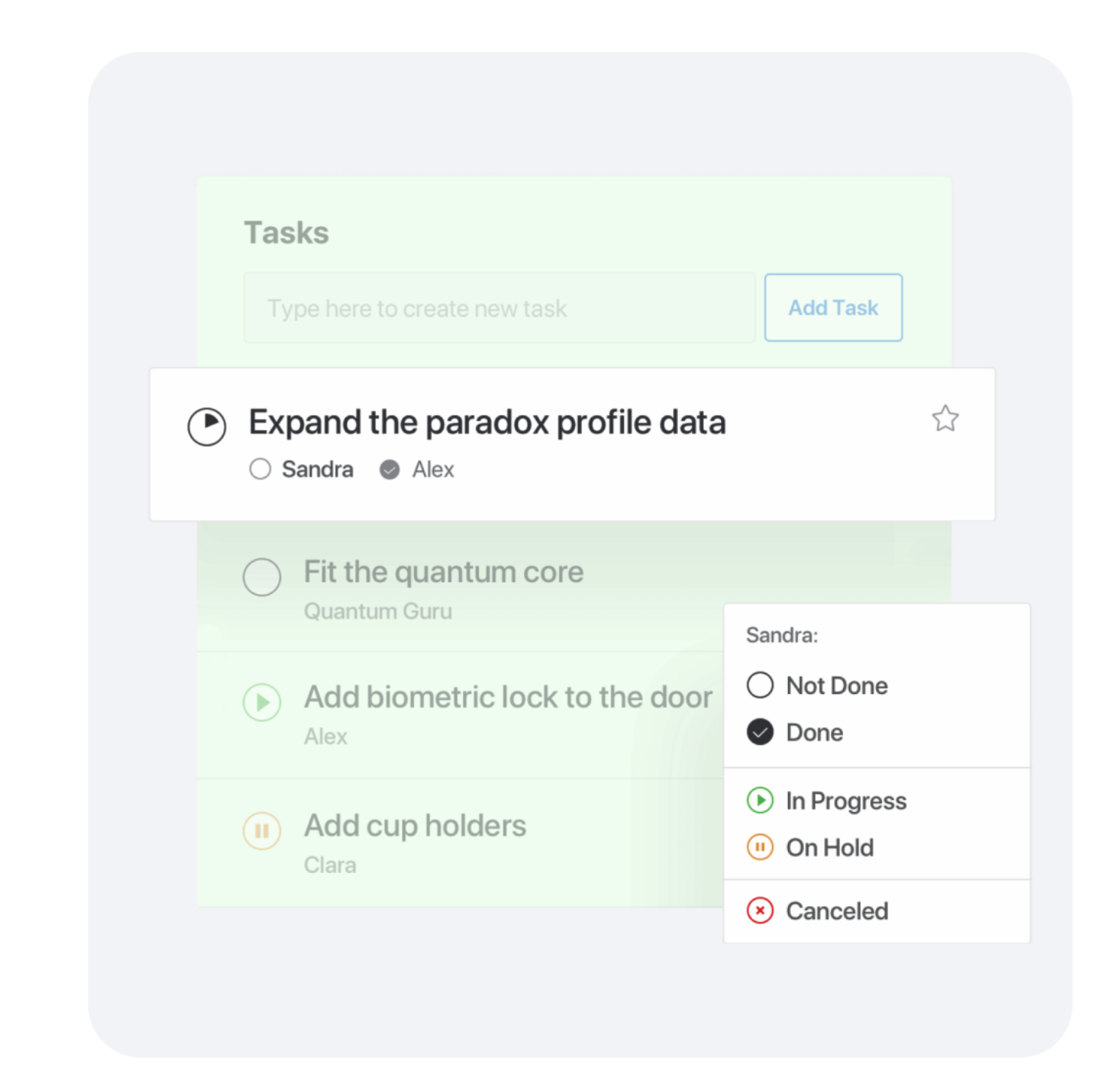
- Use a centralized task board so everyone knows what’s done, what’s next, and what’s waiting on feedback.
Review and feedback
Creative work requires multiple rounds of review, and in the project management lifecycle, this stage often repeats until the output matches the creative vision and client expectations.
Why it matters:
A poor review process can cause bottlenecks, revision fatigue, and confusion about which version is the latest.
Tips for efficient review cycles:
- Set expectations upfront for the number of revisions and timelines.
- Use version control tools or Cirkus tasks to keep track of edits, feedback, and final approvals.
- Consolidate feedback – scattered emails and messages lead to contradictions and missed notes.
Closure
Closure marks the official end of the project. This includes final approvals, deliverables, and wrap-up.
Why it matters:
Proper closure prevents confusion, ensures nothing is left unfinished, and helps the team learn from the project.
Best practices for closure:
- Always request a formal sign-off from clients or internal stakeholders.
- Archive project assets systematically – deliverables, raw files, renders, scripts, artwork, via cloud storage or your chosen production environment.
- Hold a brief retrospective to identify what worked well and where processes could be improved.
Benefits of Using Creative Project Management Software
Creative teams move fast, juggle multiple deliverables, and collaborate across disciplines; editing, animation, sound, design, VFX, motion graphics, production, and more. Add virtual team challenges into the mix, and things can quickly become disorganized. When communication and assets are scattered across emails, chat apps, and disconnected storage, notes get lost, versions get mixed up, and producers spend more time chasing updates than managing the workflow. This is why creative project management software is essential. It provides structure without limiting creativity and keeps everyone aligned in one central place.
Using a creative project management software provides:
- Visibility: Everyone can instantly see where the project stands, what’s in progress, and what’s waiting for review.
- Accountability: Tasks have clear owners, so responsibilities aren’t left floating or assumed.
- Efficiency: Producers and project leads spend less time tracking people down and more time guiding creative output.
- Confidence: Teams always know which file is the latest version, what feedback is approved, and what needs attention next.
Best Practices for Effortless Creative Project Management
To keep creative projects moving smoothly, without overwhelming your team, it’s essential to build workflows that support collaboration, clarity, adaptability, and strong project planning. Below are six proven best practices that elevate every part of the creative process:
- Build repeatable frameworks:
Use templates for common project types. This speeds up setup and ensures consistency from project to project. - Keep communication centralized:
Store feedback, updates, versions, and files in one shared platform. Centralizing communication prevents mixed instructions and lost notes. - Prioritize strong creative briefs:
A detailed brief reduces rework and keeps everyone aligned on tone, goals, deliverables, and references before execution begins. - Use visual task boards or timelines:
Kanban boards, Gantt views, and timeline tools give producers and team leads clear visibility into progress without the need for constant check-ins. - Set clear expectations for revision cycles:
Creative work needs feedback, but unlimited rounds can drain time and energy. Define revision limits and turnaround expectations from the start. - Run short post-project reviews:
After delivery, take a moment to reflect on what worked and what needs refining. These quick retros help your team continuously improve
Cirkus: Best Project Management Software for Creative Teams
Cirkus brings all these best practices together in one intuitive platform, making it the best project management software for creative teams. Built specifically for creative, media, and post-production environments where tight deadlines, evolving briefs, and multi-disciplinary collaboration are the norm. It unites every phase of the creative workflow in a single, streamlined system, giving teams the clarity and structure they need without limiting their creativity.
If you’re ready to simplify your workflow, stay organized, and give your team space to create their best work, try Cirkus today.