

If you’re thinking about starting a project, planning is the first and most essential step. Whether you’re managing an office move or launching a new product line, you need to understand how much time and money the project will require before you begin. That’s where the importance of planning in project management becomes clear-it lays the groundwork for informed decisions, realistic timelines, and smoother execution.
Project management planning involves more than just spreadsheets and data collection. It’s about building a strategy that aligns with your goals and managing a team that understands exactly what needs to get done.
This comprehensive guide walks you through every step of effective project planning-from defining scope to budgeting and scheduling tasks across your team’s timeline. With real project management plan examples, you’ll be ready to take on your next project with confidence and clarity.
What Is Planning in Project Management?
What is project planning? Planning is an essential part of every project, and it’s one of the first steps in project management. In fact, planning is a continuous process that takes place throughout the life of a project. A well-developed plan not only outlines what needs to be done, but also helps teams stay aligned, track project milestones, and anticipate potential roadblocks before they happen.
Understanding the importance of planning in project management means recognizing the value of clear objectives, realistic timelines, and proactive risk management. One of the key elements of a strong plan is conducting a thorough project risk assessment early on. This helps identify challenges that may arise and ensures there are strategies in place to address them.
The activities involved in planning are outlined below:
- Define objectives and scope – A project management plan defines what you want to do with your project from start to finish. This includes defining what the objective is for your project and how much time it will take (the scope), as well as determining which resources are available for use on this task or series of tasks. You should also define any deadlines or project milestones that need to be met during this phase so everyone involved can be prepared when they arise.
- Create your project risk assessment – At any point during your planning phase, there may be risks associated with starting or continuing work on this task or series of tasks; these could be environmental factors like bad weather conditions or human factors like employees having difficulty working together well enough to complete their duties within time constraints.
The purpose of the Project Management Plan
What is a project management plan?
A project management plan is a structured document that outlines how a project will be executed, monitored, and completed. It defines the project’s scope, schedule, budget, resources, and communication methods, ensuring all stakeholders are aligned before any work begins.
Effective project planning and management helps teams stay organized, identify potential roadblocks, and deliver results more efficiently. It’s especially valuable when navigating the different phases of project management, including initiation, planning, execution, monitoring, and closure. By having a solid plan in place, teams can manage expectations, track progress, and make timely decisions throughout the project lifecycle.
Using a project time management tool can also enhance your ability to coordinate tasks, allocate resources, and meet deadlines more effectively.
A good project plan will:
- Describe in detail what needs to happen to achieve each goal
- Determine who will participate in each phase of your project
- Specify what resources are needed
- Establish checkpoints where progress can be measured against expectations, allowing adjustments when necessary
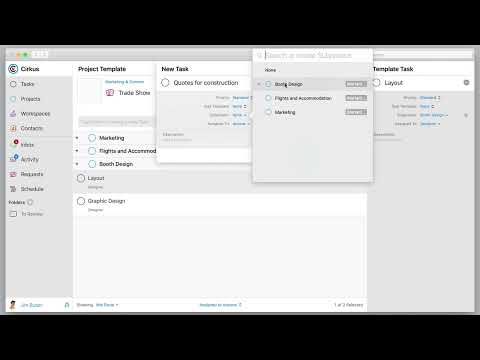
Here is a project management plan template:
The importance of Project Management Planning
Project planning is one of the most important aspects of managing a project. Without it, you would be at risk for failing to meet deadlines and goals, or even worse: wasting time and money on projects that don’t deliver results. This highlights why planning is important in project management- it creates a roadmap that guides the team toward successful outcomes.
Project planning allows you to break down large tasks into smaller ones and prioritise them accordingly. It also helps you estimate how long each step will take so that you can better plan for future changes in scope or timeline. The result: better decision-making and greater control over the entire process. That’s the true importance of a project management plan – it lays the foundation for informed actions and minimizes guesswork.
Project managers are responsible for creating clear guidelines that define what needs to be done and how, so everyone on the team knows exactly what’s expected from them throughout the project lifecycle. To support this process, many teams rely on some of the top business management tools to streamline planning, scheduling, communication, and resource management.
Gives your project a baseline to work with
The project plan is essentially an outline of what you need to do, who will be responsible for each task, and at what time. It’s a blueprint that provides you with a baseline from which to work. Your team can use it as a guide while they complete their tasks. This is where planning in project management plays a critical role, helping to define a clear path and setting measurable expectations from the start.
A strong approach to planning project management ensures your team stays aligned and focused throughout the project. It not only improves accountability but also enhances teamwork and collaboration in the workplace, as each member knows their responsibilities and how their contributions fit into the bigger picture.
Your project plan will include:
- Tasks and subtasks
- Resources needed (personnel and equipment)

Creates project alignment (and removes confusion)
Project alignment is the process of ensuring that all project stakeholders share a clear understanding of the expectations and goals for a project. This alignment is a vital part of the importance of planning in project management, as it helps prevent confusion that can cause delays, wasted effort, or even project failure.
The significance of project planning lies in its ability to bring everyone onto the same page early on. By communicating with each stakeholder, whether individually or in small groups – and asking questions like “What do you expect from this project?” and “What would make this situation easier for you?” you clarify roles and responsibilities. This clear communication not only fosters alignment but also helps team members improve multitasking skills, as they better understand how their tasks connect with others and can prioritize accordingly.
Fully outlines the scope of the project
Scope is essential to project planning, as it includes everything that needs to be done to complete your project. A clearly defined scope helps reinforce the importance of planning in project management, ensuring that everyone understands what’s included, and just as importantly, what’s not.
The scope of a project should include:
- What is being done or will be done during the project
- What is not being done
- Everything that falls into these two categories – everything from initial research to final implementation, from concept development through dissemination
To manage scope effectively, many teams rely on scheduling and collaboration software that makes it easier to assign tasks, monitor progress, and communicate changes in real time. These tools help maintain clarity throughout the project lifecycle and reduce the risk of scope creep.
Allows for better resourced project management
Planning is necessary for effective project management, as it allows you to allocate resources in a way that makes sense and create budgets:
- Provides a clear timeline and budget, our sister product farmerswife can help you
- Allows for better planning of resources, avoiding overcommitting of staff or vendors
- Allows for more accurate forecasting of resource requirements
Builds confidence in your project
A project plan helps you to manage risk, communicate with your stakeholders, identify and manage change, control costs, and meet deadlines. It highlights the importance of project planning, as it lays the foundation for clear communication, effective coordination, and successful project outcomes. This structure is a great way to build your team’s confidence in their work and abilities.
When you have an agreed-upon plan that everyone knows and understands, things will go more smoothly as you move forward with the project. The plan provides something to refer back to when things get confusing or stressful – it gives people something concrete they can use for guidance as they work through their tasks.
This clarity becomes even more essential when dealing with the challenges of virtual teams, where team members may be working remotely across different time zones. In such cases, a strong project plan serves as a central point of reference that keeps everyone aligned, informed, and confident in the project’s direction.
What does project planning entail?
Project planning is the process of laying out a plan for a project. While it’s often viewed as a separate task, it’s actually a central component of project planning and management as a whole. This stage brings together many different people and activities to ensure the project stays on track from start to finish.
Project managers need to be able to communicate their plans clearly and effectively so that everyone involved understands their roles, responsibilities, and timelines. This clarity is especially important when distinguishing between process vs procedure – the process outlines the broader steps needed to complete the project, while procedures provide the specific instructions for how each step should be carried out. Together, they help teams execute with consistency and confidence.
Project planning and management
Project planning is the process of creating a structured plan for a project. This plan documents all of the steps needed to complete the project and serves as an effective tool for keeping your team on track. The importance of planning in project management lies in its ability to provide clarity, direction, and a shared understanding of goals – setting the foundation for successful execution.
Whereas project management is the process of implementing this plan and ensuring that each step is carried out efficiently and effectively.
Initiation
The Initiation phase is that time in the project lifecycle when the project idea is defined, evaluated, and then authorized.
This Initiation process guides the project team as they determine and articulate those key aspects of a proposed project that will help in the decision process.
Stakeholder involvement
Stakeholder involvement is essential in project planning. Stakeholders can be internal or external to the organization:
- External stakeholders are those who are not employed by the organization but have an interest in its operations.
- Internal stakeholders are employees of the organization. For example, people working on a project may be involved as individuals or as representatives of their department or team.
Prioritizing goals
The first step of goal setting is defining your goals and objectives. Consider your project’s overall vision, time frame, and available resources. This initial step is a key part of project planning and management, helping you lay the groundwork before diving into execution. Once your objective is clear, break it down into smaller, manageable sub-tasks that need to be completed in order to achieve the main goal.
Planning project management effectively also means learning to prioritize. You should order your goals based on urgency and importance—this not only keeps your project moving forward but also ensures that decision-makers are satisfied with the progress. Prioritization gives your team a sense of direction and purpose, helping them stay engaged and motivated by clearly showing how their work contributes to the bigger picture.
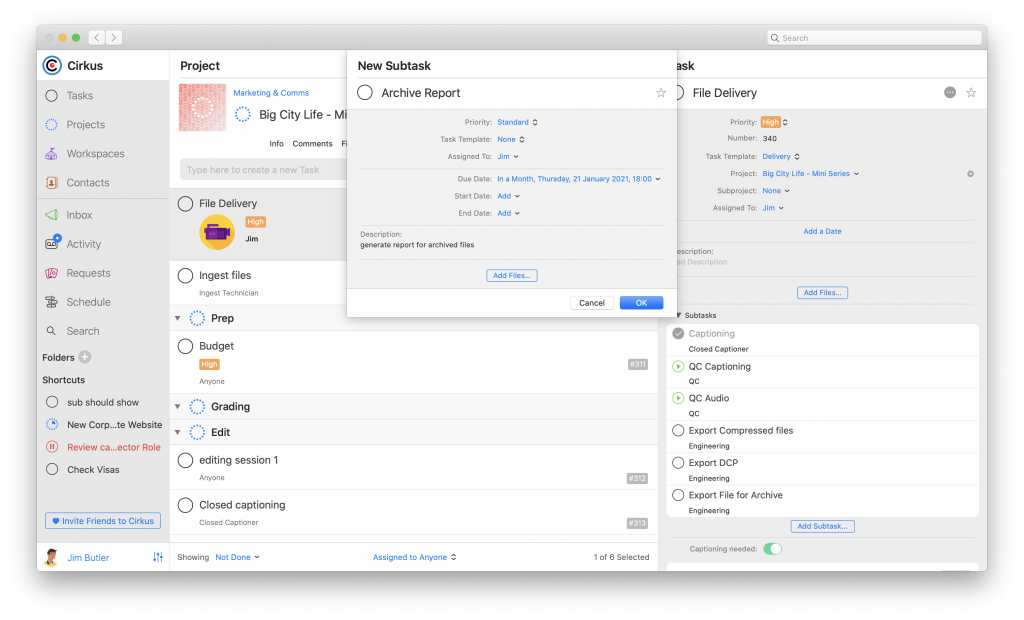
The importance of planning in project management becomes even more evident here: a well-structured plan allows you to manage tasks systematically and track progress with confidence. Using a tool like Cirkus can support this process by breaking your project into tasks and sub-tasks, making it easier to manage timelines, responsibilities, and deliverables.
Identifying deliverables
Once you’ve clearly defined your project, the next step in project planning and management is identifying the deliverables – specific outcomes or products the project must produce. These deliverables form the foundation for task development, scheduling, and resource allocation.
To determine what needs to be done and when, create a structured list of tasks tied to key milestones and deadlines. This approach helps maintain alignment and progress throughout the project. During this phase of planning in project management, focus on high-level tasks such as identifying stakeholders or outlining major milestones. These early steps set the stage for more detailed planning as the project unfolds.
Scheduling
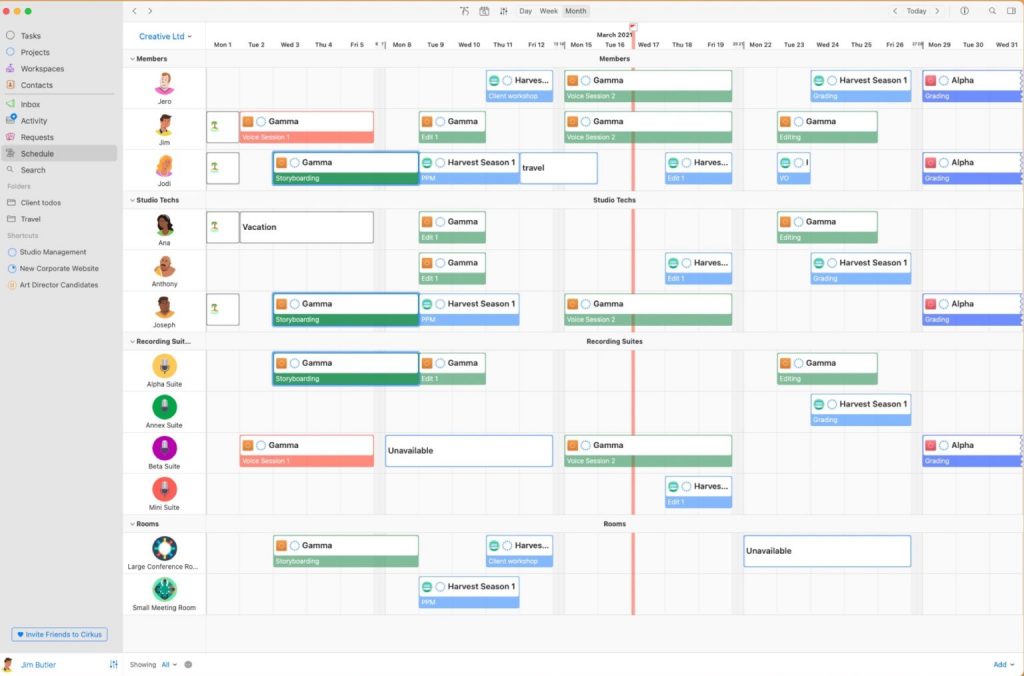
The schedule is the backbone of your project plan and a critical element of effective project planning and management. It serves as the primary tool for managing timelines and controlling project progress, summarizing all major milestones and their durations in a format that’s easy for the entire team to understand.
One of the key aspects underscoring the importance of planning in project management is the ability to communicate clear timelines. Without well-defined schedules, team members may struggle to understand their responsibilities or when tasks are due. A detailed schedule not only ensures accountability but also keeps the entire team aligned and focused on delivering results on time.
Developing a project plan
Project planning is a critical part of project management. A good project plan will help you to manage your projects effectively, and it’s one of the most important tools at your disposal in this regard.
A good project plan helps you to make decisions on the fly, so that when unexpected things happen, you have an idea of where to go next. It also helps you stay on track throughout the course of your project, which is important for keeping confidence up among team members and stakeholders alike.
Bake in contingency plans
You should also include contingency plans in your project plan. These are important because they help you to deal with unexpected issues, which can lead to delays and other problems.
- Contingency plans will help you avoid possible delays, so they’re an important aspect of your project plan.
- Keeping your contingency budget separate from the rest of the project budget ensures that it’s available when you need it most—when there’s a delay or another problem in the works.
Conclusion
In conclusion, it’s important to remember that project planning isn’t just a single step in the process, it’s fundamental to success. The importance of planning in project management lies in its role as the framework that guides all other work, ensuring every aspect of the project is thoughtfully considered before any specific tasks begin. Using a tool like Cirkus can make your project planning more efficient and effective than ever before!