

Personnel management is the process of managing an organisation’s employees, responsibilities, communication, and workplace processes. It helps businesses create clearer roles, improve collaboration, and support employees throughout their work journey.
Effective personnel management is especially important for teams managing multiple projects, departments, and responsibilities. In this guide, we explain what personnel management is, its key functions, the role of a personnel manager, and how organisations can improve team coordination.
What Is Personnel Management?
Personnel management is the practice of managing employees within an organisation by supporting recruitment, development, communication, performance, and workplace relationships. The main goal of personnel management is to ensure that employees have clear responsibilities, the right support, and the resources needed to perform effectively. It focuses on creating a structured work environment where people and business goals remain aligned.
A simple personnel management definition is:
Personnel management is the process of planning, organising, and managing employees to support business objectives while maintaining effective workplace relationships.
Although personnel management is often associated with traditional employee administration, modern organisations also focus on communication, collaboration, employee engagement, and team coordination.

- Collaborate from every device
- Automate tasks and workflows
- See all projects at a glance
- Make quotes in minutes
Why Is Personnel Management Important?
Personnel management is important because people are one of the most valuable resources in any organisation. Without clear responsibilities and effective communication, teams can experience delays, misunderstandings, and reduced productivity.
Strong personnel management helps organisations:
- Define employee roles and responsibilities
- Improve communication between teams
- Support employee development
- Create better workplace processes
- Improve coordination across projects
- Maintain alignment between people and business goals
For growing organisations, effective coordination becomes increasingly important as more employees, departments, and projects are involved.
Many companies also rely on business management tools to improve visibility, organise processes, and help managers coordinate work more effectively. Learn more about how organisations use business management tools to support structured workflows.
Types of Personnel Management
Effective personnel management ensures that an organization runs smoothly by handling workforce planning, policies, and daily operations. There are three types of personnel management, each serving a specific function in managing employees and optimizing productivity:
Strategic
Strategic personnel management focuses on long-term goals and workforce planning. It aligns HR policies with business objectives, ensuring that the organization remains competitive.
Tactical
Tactical personnel management involves policies and processes that improve efficiency, such as performance reviews, training, and employee engagement.
Operational
Operational personnel management deals with daily HR activities such as attendance tracking, payroll processing, and conflict resolution.
Benefits of Personnel Management
Prioritizing personnel management is essential for any organization. Utilizing business management tools provides numerous advantages, especially for project managers, by offering a clear overview of team workloads, availability, and overall efficiency. Here are some key benefits:
- Boosts employee productivity by ensuring the right people are in the right roles.
- Enhances job satisfaction and retention through effective support and engagement.
- Ensures legal compliance with labor laws and workplace regulations.
- Streamlines HR processes, making recruitment, scheduling, and management more efficient.
- Facilitates better communication and teamwork for smoother project execution.
- Reduces workplace conflicts by fostering transparency and fair policies.
- Supports organizational growth and stability by optimizing human resources.
With effective personnel management, businesses can create a structured, motivated, and high-performing workforce.
What Are the Functions of Personnel Management?
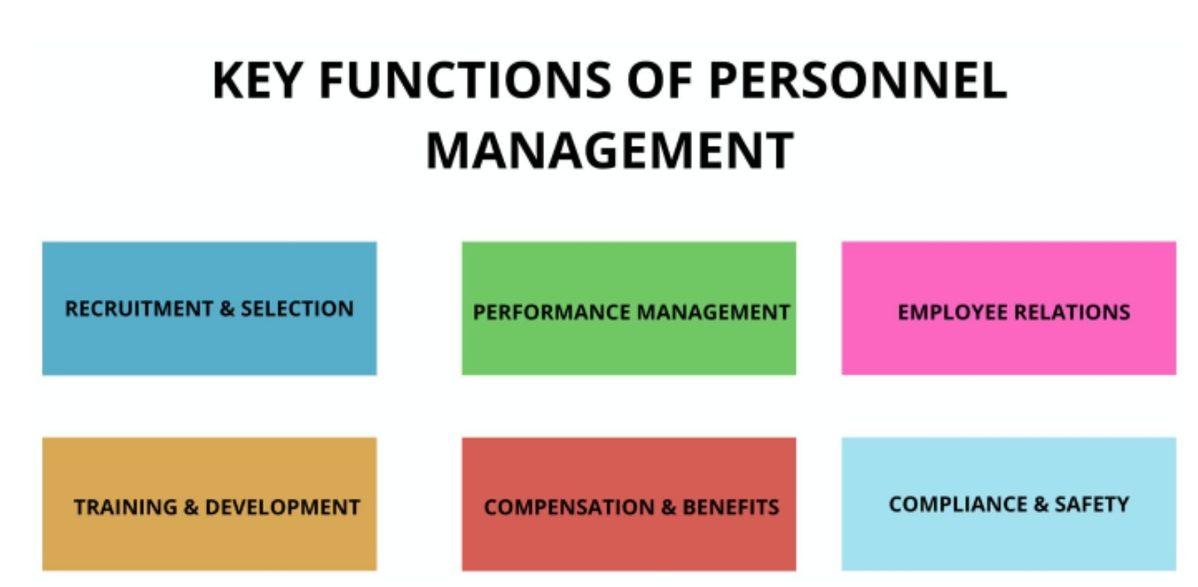
The functions of personnel management include managing employee-related activities such as recruitment, training, performance, communication, and workplace coordination.
The main functions include:
Recruitment and Selection
Personnel management supports organisations in finding and selecting suitable employees. This includes defining job requirements, evaluating candidates, and ensuring new employees have the skills needed for their roles.
Employee Onboarding
A structured onboarding process helps new employees understand their responsibilities, company processes, and team expectations.
Training and Development
Employee development helps teams build skills, improve performance, and prepare for future responsibilities.
Performance Management
Performance management involves setting expectations, providing feedback, and helping employees achieve their goals.
Employee Relations
Maintaining positive employee relationships is a key part of personnel management. Clear communication and collaboration help reduce misunderstandings and improve teamwork.
For modern teams, collaboration is a critical part of successful personnel management. Strong internal communication and collaborative project management help employees stay aligned around shared objectives.
What Does a Personnel Manager Do?
A personnel manager is responsible for supporting employees and ensuring that workplace processes run effectively.
Common personnel manager responsibilities include:
- Managing employee information and processes
- Supporting recruitment activities
- Coordinating employee development
- Improving workplace communication
- Supporting company policies and procedures
- Helping teams resolve workplace challenges
The role of a personnel manager has evolved as organisations become more collaborative. Today, personnel managers often work closely with department leaders to improve communication, employee experience, and team performance.
Personnel Management vs Human Resource Management: What Is the Difference?
Personnel management and human resource management (HRM) are closely related concepts, but they have different focuses.
| Personnel Management | Human Resource Management |
| Focuses on managing employees and workplace processes | Focuses on broader people strategies and organisational development |
| Often focuses on administration and employee support | Includes long-term workforce planning and employee engagement |
| Traditionally focuses on employee relations and policies | Covers wider areas such as talent strategy and organisational culture |
While personnel management focuses on managing employees effectively, modern HR management often takes a broader strategic approach.
Examples of Personnel Management in the Workplace
Personnel management is applied across different industries and team structures.
Examples include:
Managing Creative Teams
Creative organisations often involve multiple specialists working together, including producers, designers, editors, and project managers. Clear responsibilities and communication are essential for successful delivery.
For example, media companies need effective coordination between production stages, from planning and filming to editing and delivery. Teams managing video production project management require clear workflows, responsibilities, and communication between different roles.
Coordinating Post-Production Teams
Post-production environments often include editors, sound specialists, visual effects teams, and producers. Personnel management helps ensure each team member understands their responsibilities and deadlines.
Managing post-production teams requires visibility into workloads, resources, and project priorities.
Supporting Creative Agencies
Creative agencies often manage multiple clients and projects at the same time. Effective personnel management helps teams coordinate responsibilities, deadlines, and collaboration across departments.
For agencies, project management for creative agencies can support better organisation and workflow management.
How Cirkus Supports Team Collaboration and Project Management
Personnel management focuses on managing people, responsibilities, and workplace processes. However, teams also need the right tools to coordinate projects, communication, and daily workflows.
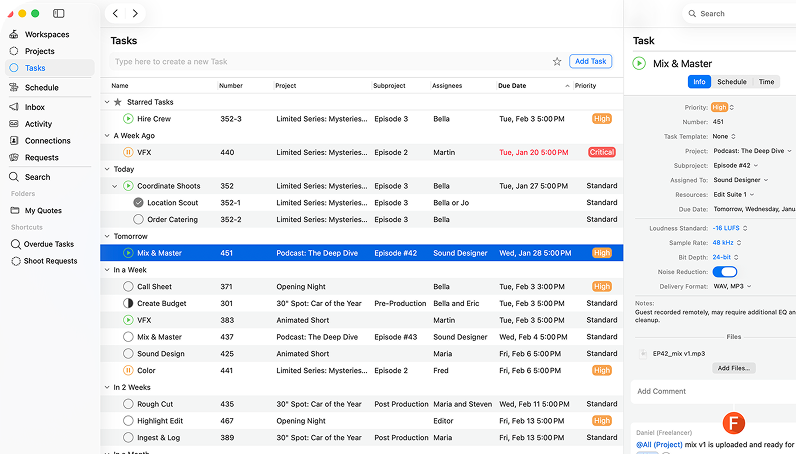
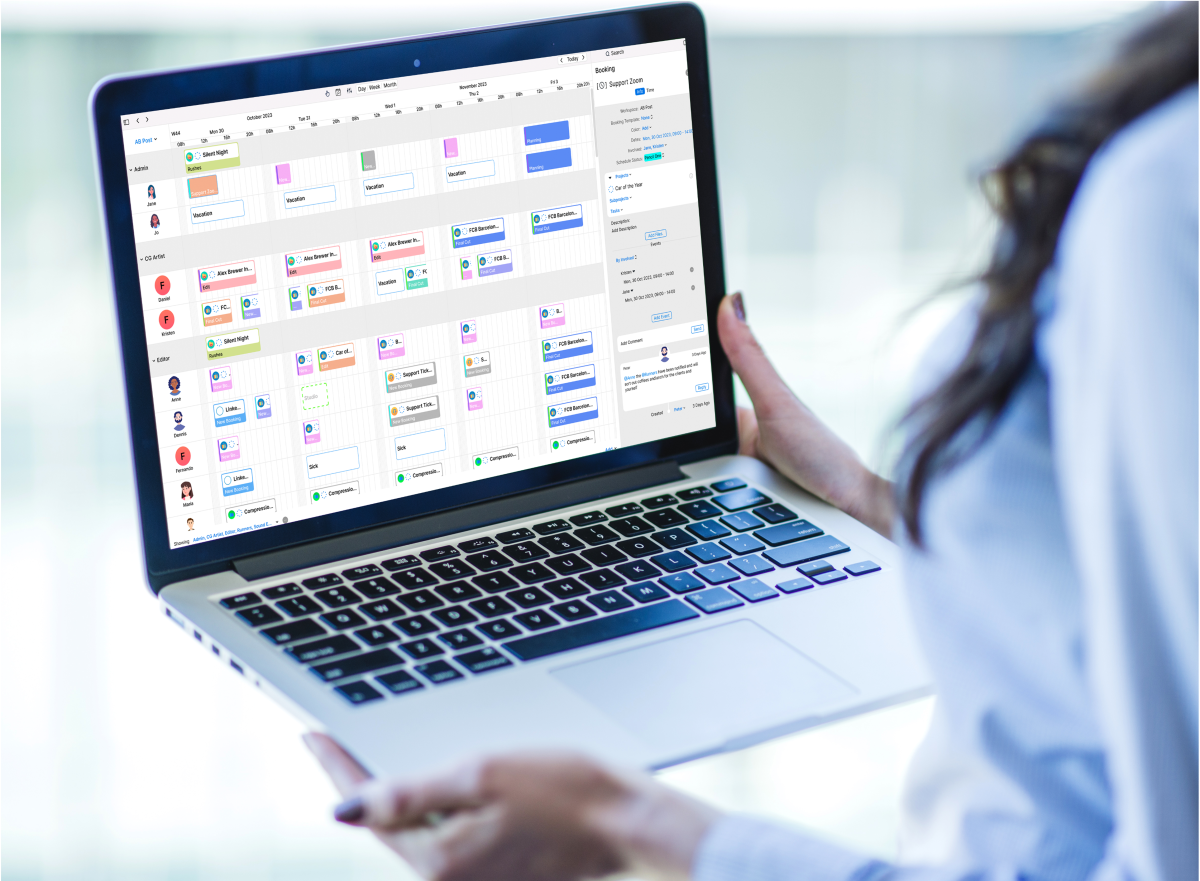
Cirkus helps teams improve collaboration by providing a shared workspace where employees can organise tasks, communicate updates, and maintain visibility across projects. With Cirkus, teams can:
- Keep project information organised
- Improve communication between team members
- Track tasks and responsibilities
- Coordinate workflows across departments
- Maintain visibility into project progress
The Cirkus app helps teams bring collaboration and project coordination together in one place.
Conclusion
Effective personnel management helps organisations create stronger teams by improving communication, defining responsibilities, and supporting employees throughout their work journey.
As teams grow and projects become more complex, having clear workflows and collaboration processes becomes essential. Tools that improve visibility and coordination can help managers keep teams aligned and projects moving forward.
To learn how Cirkus can support your team collaboration and project workflows, Contact us.
Frequently Asked Questions About Personnel Management