

The terms project management vs business management are often used together, as both involve planning, people, resources and budgets. However, they serve different purposes. Project management focuses on delivering specific projects within a defined scope and timeframe, while business management oversees the overall operations, strategy and performance of an organization.
For example, a creative agency uses business management to set growth goals, manage resources and plan staffing, while project management helps coordinate campaigns, productions and client work.
Understanding business management vs project management is key to connecting day-to-day project delivery with wider business goals.

- Collaborate from every device
- Automate tasks and workflows
- See all projects at a glance
- Make quotes in minutes
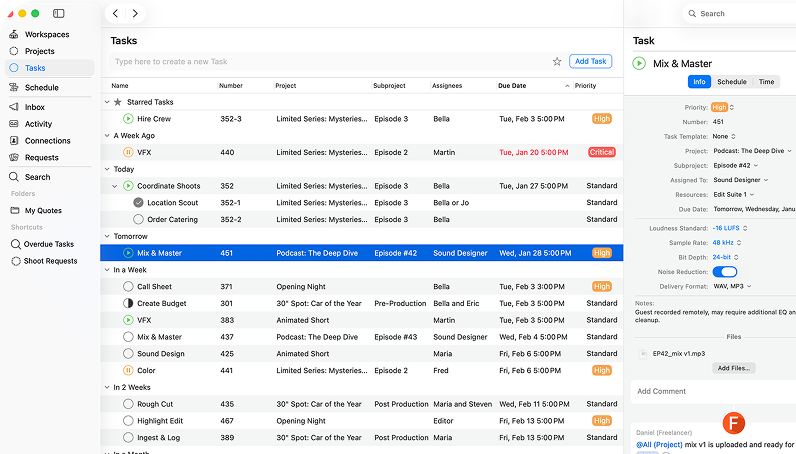
Project management vs business management: the short answer
The main difference between business and project management is their scope. Project management focuses on delivering specific projects, while business management oversees overall operations and performance. Together, they help align project delivery with wider business goals.
| Area | Project management | Business management |
| Main focus | Delivering a defined project | Managing the wider organization |
| Timeframe | Temporary or deadline-based | Ongoing |
| Scope | Specific project or initiative | Multiple functions and business goals |
| Main concerns | Tasks, resources, timelines, scope and budget | Strategy, operations, finance, people and growth |
| Success | Project delivered against objectives | Sustainable organizational performance |
What is project management?
What is project management? Project management is the process of planning, organising and delivering a project to achieve specific goals within a defined timeline, scope and budget. It brings together people, resources, responsibilities and deliverables to ensure work is completed successfully.
Effective project management goes beyond task tracking. It involves project planning and management, resource scheduling, monitoring progress, managing risks, controlling budgets and coordinating teams.
For media and creative teams, this could mean producing a marketing campaign, managing a post-production project or delivering a video series while keeping people, equipment and deadlines aligned.

What does project management focus on?
Project management focuses on achieving a specific outcome by keeping project goals, deliverables, timelines, resources and budgets organised. It involves defining the scope of work, setting milestones, assigning tasks and responsibilities, coordinating people and equipment, managing costs and identifying risks or dependencies that could cause delays.
Throughout the project, teams need clear visibility into progress, upcoming deadlines, resource availability and potential bottlenecks to keep work moving towards delivery.
For media and creative teams, this could mean coordinating editors, equipment bookings, client approvals and production schedules while ensuring each stage stays on track. This is why project management is important: it helps teams stay aligned, make better use of resources, manage unexpected changes and deliver projects on time and within budget.
What are the main responsibilities in project management?
The importance of project management lies in keeping work organised, coordinated and on track from planning through to delivery. Key project management responsibilities include:
- Planning the work and defining key project stages
- Assigning tasks and clear ownership
- Coordinating people and resources
- Tracking deadlines, milestones and dependencies
- Monitoring project budgets
- Responding to changes in scope or priorities
- Communicating progress with stakeholders
- Coordinating reviews and approvals
- Making sure the agreed outcome is delivered
In creative project management, these responsibilities are particularly important because work often moves through multiple teams and approval stages before reaching final delivery.
What is business management?
What is business management? Business management is the process of planning, directing and coordinating an organization’s ongoing operations, resources and long-term goals. Unlike project management, which focuses on individual projects, business management takes a broader view of overall performance and growth.
It covers business strategy, financial planning, staffing, client relationships, resource capacity and operational efficiency, helping organizations make informed decisions and achieve their objectives.
For media and creative businesses, this could mean managing multiple productions, balancing workloads, monitoring profitability and planning resources. Understanding how project management and business management work together helps teams deliver projects successfully while keeping wider business operations efficient and sustainable.
What does business management focus on?
Business management focuses on an organization’s overall performance, daily operations and long-term growth. It involves managing finances, people, resources, processes and client relationships to keep the business running efficiently.
Key responsibilities include monitoring profitability and budgets, managing workloads, planning workforce capacity and improving operations to support business goals.
For example, a production company needs to assess how many projects it can take on, whether additional freelancers or equipment are needed and whether the work is financially sustainable.
While project management focuses on delivering individual projects, business management uses wider financial, operational and commercial insights to improve efficiency, make informed decisions and support long-term growth.
What are the main responsibilities in business management?
Business management involves overseeing an organization’s operations, resources and performance to achieve long-term goals.
Key responsibilities include managing teams, budgets, staffing, business priorities and operational efficiency. For example, a production company may need to balance workloads, monitor profitability and decide when additional staff or equipment are needed.
Unlike project management, which focuses on specific outcomes, business management supports ongoing operations, informed decisions and sustainable growth.
Project management vs business management: key differences
The main difference between project management and business management lies in their scope and timeframe. Project management focuses on delivering specific projects on time and within budget, while business management covers daily operations, performance and long-term growth.
For a clearer business management explanation, it helps to compare project management vs business management in terms of goals, responsibilities, resources, budgets and decision-making.
Scope and objectives
The key difference is that project management focuses on achieving specific project goals, while business management oversees the organization’s overall performance and long-term growth.
For example, a creative agency uses project management to deliver a client campaign, coordinating tasks, deadlines and resources. Business management takes a broader view, focusing on the agency’s finances, team capacity, client relationships and future growth.
Timeframe
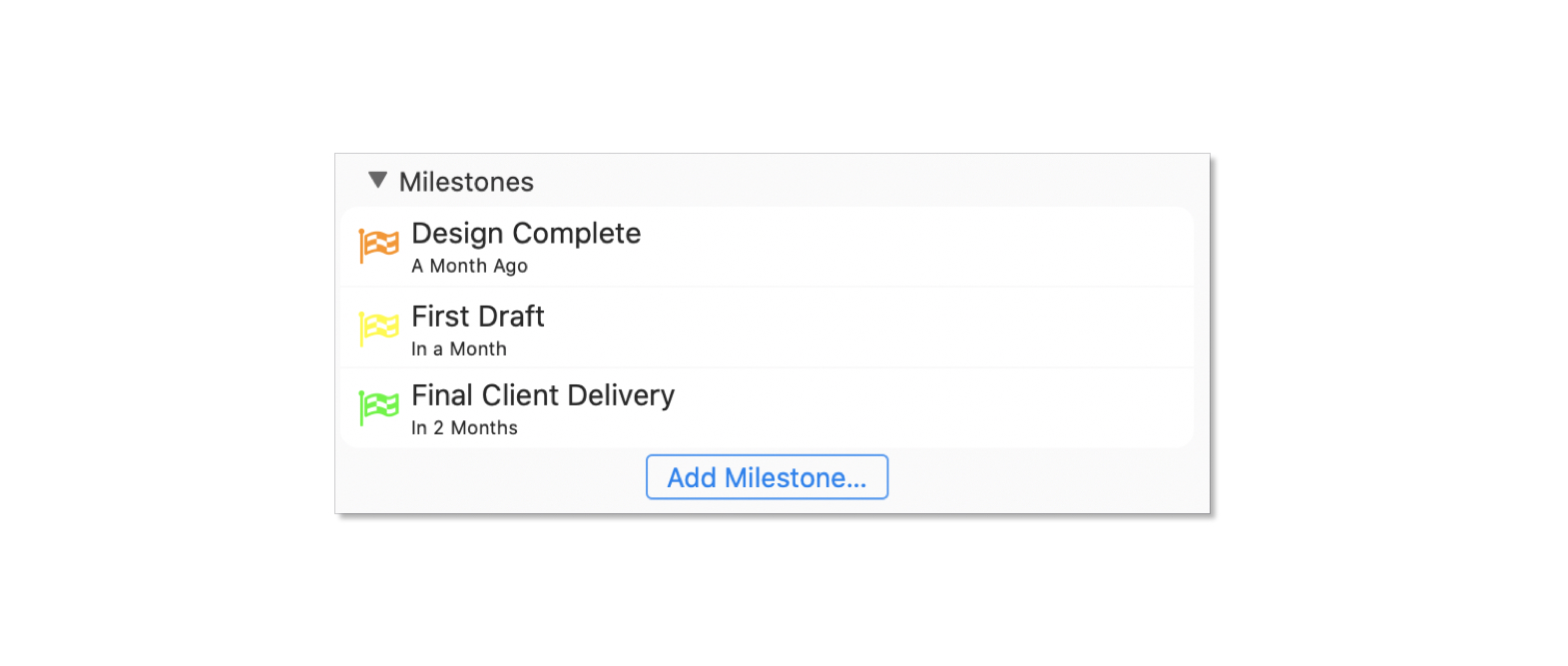
Projects have a defined beginning and end, with milestones, deadlines and deliverables that guide progress through the project management life cycle, from initial planning to final delivery. Once the agreed outcome is achieved, the project comes to an end.
Business management, however, is an ongoing process. It involves managing daily operations, reviewing performance and adapting business priorities as the organisation grows or market conditions change.
Responsibilities and decision-making
Project management decisions focus on keeping work on track. This includes assigning tasks, managing schedules, allocating resources, monitoring budgets and resolving dependencies or delays that could affect delivery.
Business management decisions cover a wider range of responsibilities, including financial performance, staffing, client relationships, operational processes and long-term investments.
For example, a project manager may decide how to reorganize an editing schedule to meet a deadline, while a business manager considers whether the company needs additional editing capacity to support future projects.
Success metrics
Project management and business management also differ in how success is measured.
Project management focuses on delivering projects successfully, including:
- Meeting deadlines and budgets
- Maintaining quality standards
- Achieving project goals and client expectations
Business management measures wider organisational performance, including:
- Revenue and profitability
- Resource utilization and operational efficiency
- Client satisfaction and business growth
Both approaches help organizations track performance and identify areas for improvement.
Tools and systems
The tools used in project management vs business management reflect their different responsibilities.
Project management software helps teams plan projects, organise tasks, assign responsibilities, schedule resources, track deadlines and collaborate effectively. These project management tools give media and creative teams better visibility into workloads, project progress and upcoming deadlines, keeping everyone aligned.
Business management relies on systems such as CRM, accounting, HR, sales and ERP software to support wider business decisions. While project management tools focus on day-to-day project delivery, these systems provide insights into financial, operational and commercial performance.
How project management and business management work together
Project management and business management work together to connect long-term business goals with day-to-day project delivery. Business management sets wider priorities, while project management turns them into defined tasks, resources, budgets and deadlines.
The connection between project management and business strategy ensures projects support organizational objectives. For example, a post-production company expanding its services might use project management to coordinate a website launch or marketing campaign.
Understanding how project management and business management work together also means using project insights, such as workloads, costs and resource utilisation, to inform decisions about staffing, capacity and future investments.
Together, both approaches improve efficiency, align projects with business goals and support sustainable growth.
Turning business goals into projects
Business goals often need to be broken down into specific projects. For example, a creative agency looking to expand might launch a new service, update its website or introduce new production workflows.
Project management turns these goals into actionable plans, with clear responsibilities, timelines and resources, helping teams align their work with wider business strategy.
Connecting resources, budgets and performance
Project data helps managers make informed business decisions by showing workloads, resource availability and delivery progress.
For example, a post-production company might identify an overbooked editing team and consider hiring additional staff or freelancers.
While project information doesn’t replace financial or strategic data, it provides valuable insights for planning resources and future capacity.
Do businesses need both project management and business management?
In many organizations, yes. The two serve different purposes. Even small creative agencies, production companies and internal media teams usually perform both types of management, even if they do not formally describe them as project management and business management.
They need to coordinate individual projects effectively while also making wider decisions about people, finances, clients, capacity and future priorities.
When project management is the priority
Project management becomes the priority when teams need to plan, coordinate and deliver specific projects efficiently. This is particularly important when managing multiple client projects, complex deliverables, tight deadlines or shared resources.
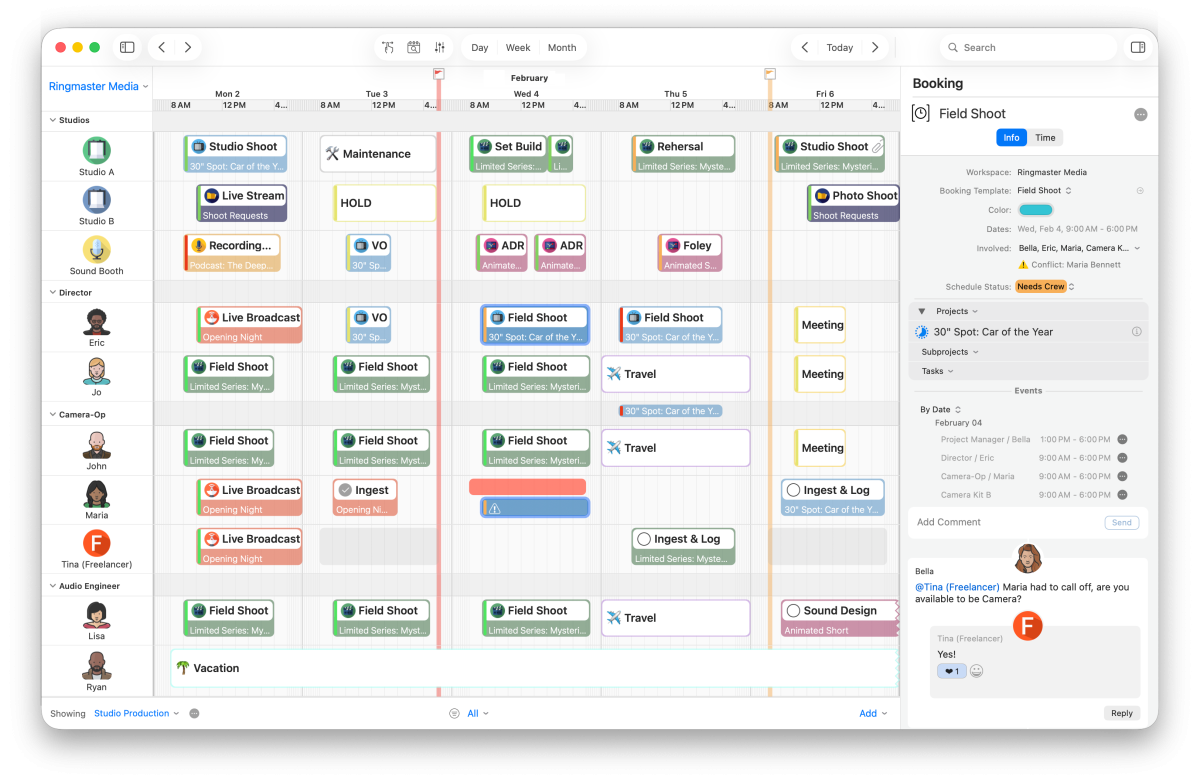
It helps teams assign tasks and responsibilities, coordinate production schedules, track project budgets, manage approvals and identify dependencies that could affect delivery. Having clear visibility into workloads, resource availability and upcoming deadlines helps everyone stay organised and respond to changes.
For example, post-production project management involves coordinating editors, producers, editing suites, review and approval stages, and delivery dates across several projects at once. In these situations, project management software helps teams keep tasks, schedules, resources and progress visible, reducing scheduling conflicts and keeping projects on track, on time and within budget.
When broader business management is needed
Business management focuses on an organisation’s overall operations, financial performance and long-term growth rather than individual projects.
It involves setting business strategy, managing budgets, planning workforce capacity, improving operations and identifying growth opportunities.
For example, a production company deciding whether to hire staff, invest in equipment or expand its services must consider client demand, resources and profitability. By combining project insights with wider financial and operational data, business management supports informed decisions and sustainable growth.
How project management software supports wider business management
Project management software supports wider business management by providing visibility into daily work, team workloads, resource allocation and project progress. Although project management and business management serve different purposes, accurate project information helps managers make better decisions.
By bringing tasks, schedules, resources and deadlines together, teams can track progress, identify bottlenecks and understand where time and budgets are being used.
For media and creative businesses, this could mean monitoring multiple productions, identifying overbooked resources or assessing whether there is enough capacity to take on new projects.
This visibility supports better planning, resource utilisation and more efficient business operations. However, project management software does not replace accounting, CRM, HR or ERP systems. Instead, it complements these tools by connecting day-to-day project delivery with wider business goals.
How Cirkus connects project delivery with business priorities
Cirkus helps creative, media and production teams plan projects, manage resources and collaborate, bringing greater visibility to how work is organised and delivered.
With projects, milestones and task management, teams can define deliverables, assign responsibilities and track progress. Shared schedules and resource availability help managers coordinate people, equipment and deadlines, reducing scheduling conflicts and making it easier to manage multiple projects at once.
Cirkus also connects project delivery with commercial information through time reporting, quotes, rates and project budgets, helping teams monitor costs and understand project-level performance. For recurring work, templates, requests and approvals help standardise workflows and keep everyone aligned, while team collaboration and reporting provide a clearer overview of active projects, workloads and delivery status.
For example, a post-production team managing several client projects can use Cirkus to coordinate editors, schedule resources, manage approvals and monitor progress, all within a connected workspace.
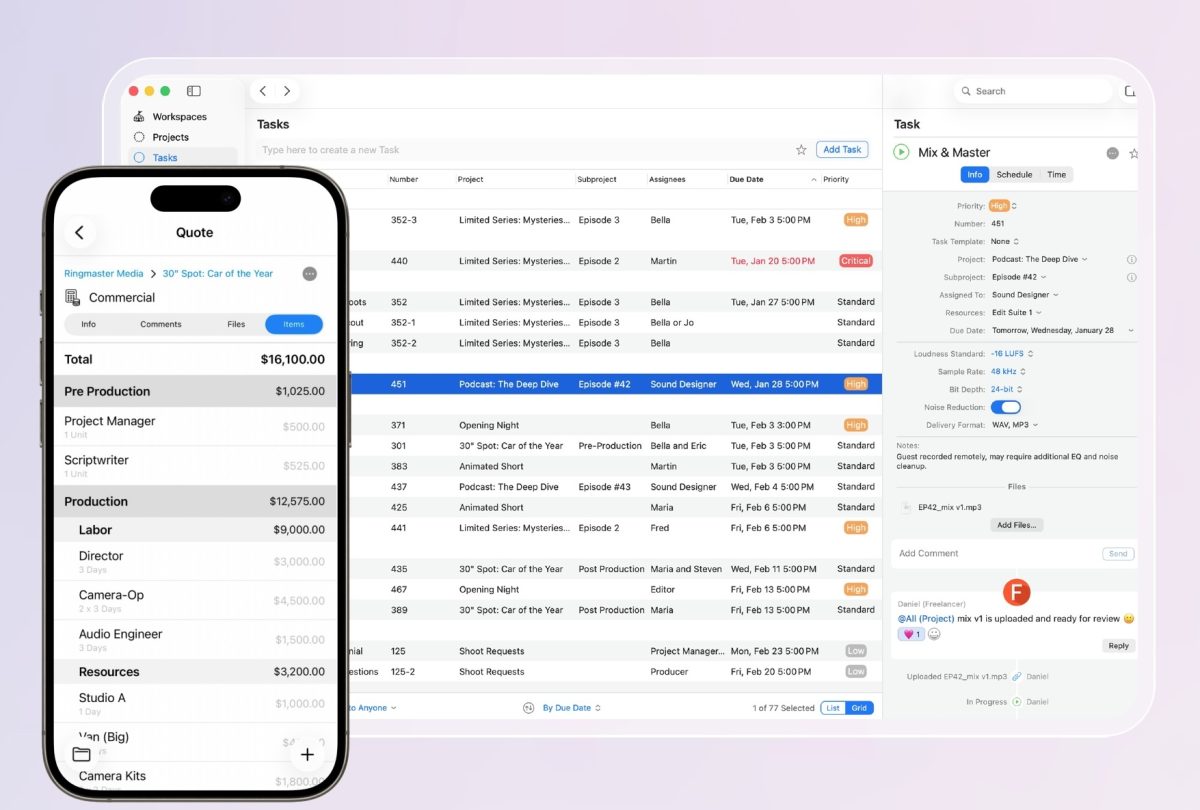
By bringing project planning, scheduling and collaboration together, Cirkus supports better project management and wider business decisions without replacing dedicated accounting, CRM or business management systems.
Ready to bring your projects, people and schedules together?
Start your 30-day free trial or book a personalized demo to see how Cirkus can work for your team.
Conclusion
The central distinction in project management vs business management is the level at which each operates. Project management turns defined goals into coordinated work by connecting deliverables, schedules, people, resources and budgets. Business management looks more broadly at the organisation itself, including its operations, finances, capacity, people and longer-term direction.
For creative, production and media teams, keeping project management and business management connected is particularly valuable. When managers can see what projects are active, how resources are being used, where time is being spent and how delivery is progressing, they gain useful operational context for wider planning.
Cirkus helps create that connection by bringing projects, schedules, resources, tasks, time and project-level commercial information into a clearer operational view.
Start your 30-day free trial of Cirkus or book a personalized demo to see how it could work for your team.
Frequently asked questions