

In project management, staying organized and ensuring that tasks are completed on time is crucial for success. A master schedule serves as the backbone of a project, enabling teams to coordinate tasks, track progress, and allocate resources efficiently. Understanding what is a master schedule and how it functions can greatly enhance project efficiency and collaboration.
What Is a Master Schedule?
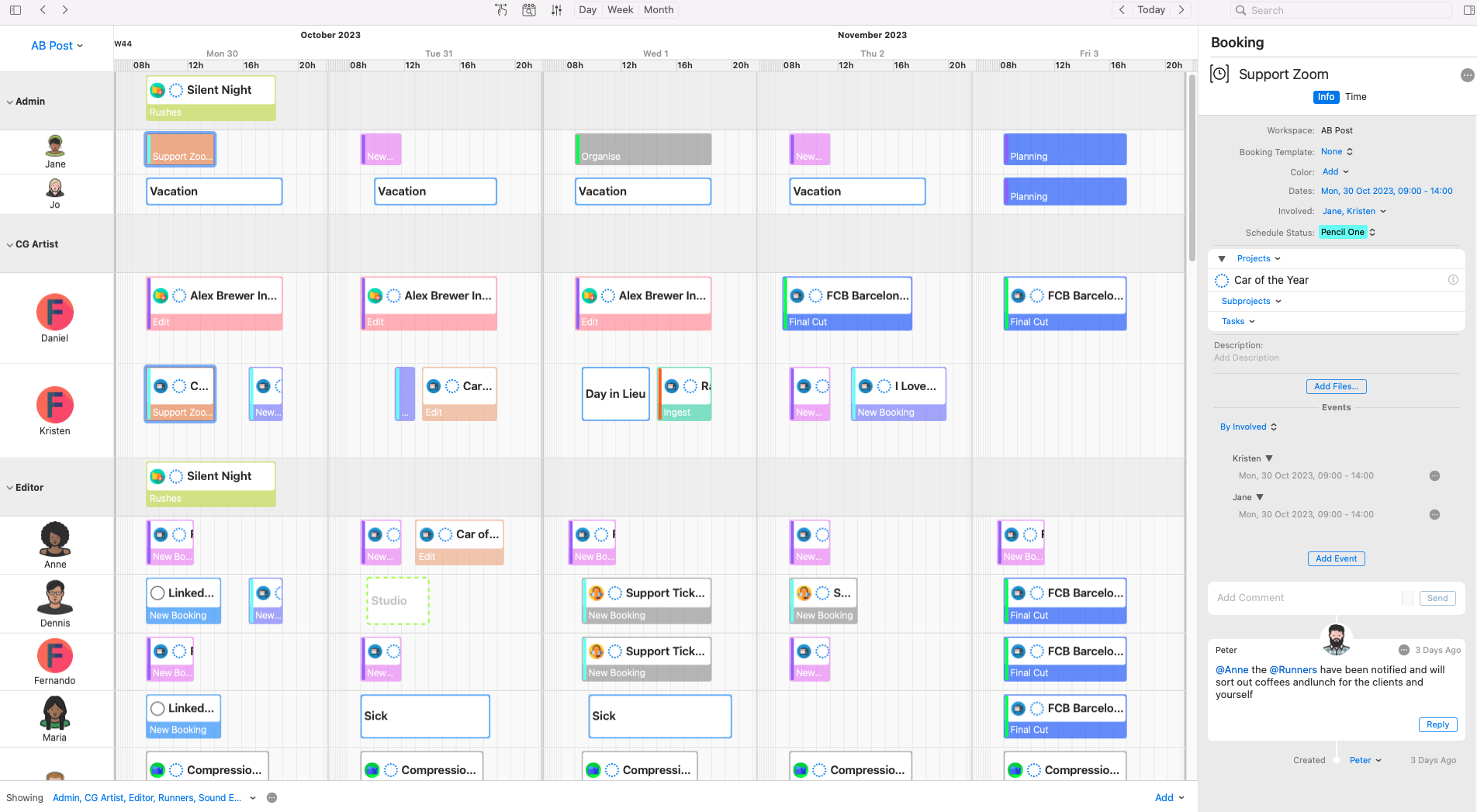
A master schedule is a comprehensive, high-level plan that outlines all the tasks, milestones, and deadlines associated with a project. It serves as a centralized roadmap, enabling project managers and teams to visualize workflows, allocate resources, and track progress efficiently. By providing a structured overview, a master schedule helps coordinate tasks across different teams, prevent bottlenecks, and ensure timely project completion.
An Integrated Master Scheduler (IMS) plays a crucial role in maintaining and updating the master schedule, ensuring that all tasks are aligned with project goals, dependencies are managed, and unforeseen challenges are addressed proactively. The IMS incorporates elements such as task dependencies, resource allocation, critical paths, and real-time adjustments to keep the project on track.
Using a master schedule, businesses can streamline operations, improve team collaboration, and enhance overall efficiency. Whether for large-scale projects or smaller initiatives, having a well-structured schedule is key to successful project execution and goal achievement. Platforms such as Cirkus facilitate seamless scheduling, making collaboration easier.
Benefits of a Master Schedule
A master schedule provides a structured approach to organizing your workload, ensuring efficiency, clarity, and seamless project execution. Here are the key advantages of using a master schedule:
Better Coordination and Planning
A well-structured project management plan allows teams to align their tasks and resources effectively. It provides a clear overview of project timelines, ensuring that different departments and team members are on the same page.
Improved Time Management
By using a master schedule, project managers can allocate time wisely, ensuring that deadlines are met without unnecessary delays. This approach prevents last-minute rushes and missed deadlines.
Smart Resource Allocation
A master schedule ensures that resources, including manpower, budget, and equipment, are allocated optimally. Tools like Cirkus assist in resource planning with real-time updates.
Keeping Track of Deadlines
Deadlines are crucial in any project. Cirkus helps in tracking these deadlines, ensuring that every task is completed on time. It makes deadline tracking easier with visual timelines and reminders.
Resolving Conflicts Early
By having a detailed schedule, potential conflicts—such as overlapping tasks or resource constraints—can be identified and addressed early in the project. Cirkus offers scheduling conflict resolution tools that streamline this process.
Monitoring Progress
A master schedule acts as a tracking tool, helping managers assess the project’s progress and make necessary adjustments if there are any deviations from the original plan.
Clear Communication
Teams and stakeholders benefit from a master schedule as it provides a transparent view of the project’s progress. This reduces misunderstandings and keeps everyone informed. Cirkus enhances communication by integrating comments and notifications into the scheduling system.
Documenting Everything
Maintaining a master schedule ensures that all project-related activities and changes are documented. This is helpful for future reference and for evaluating project performance. Cirkus provides a centralized documentation system that helps store and manage project history.
How to Create an Effective Master Schedule
An integrated master scheduler plays a critical role in maintaining a master schedule, which is essential for organizing tasks, managing resources, and ensuring projects stay on track. By structuring the schedule effectively, teams can enhance efficiency and minimize disruptions. To build a well-structured master schedule, follow these five key steps:
- Define Project Tasks and Milestones: Start by identifying all tasks required to complete the project. Break down larger activities into manageable steps and set key milestones to track progress.
- Estimate Task Durations Accurately: Determine how long each task will take, considering potential risks and delays. Use historical data and team input to improve accuracy.
- Establish Task Dependencies: Identify relationships between tasks to ensure a logical workflow. Knowing which tasks must be completed before others begin helps prevent bottlenecks.
- Allocate Resources Efficiently: Assign the right team members, tools, and budgets to each task. Avoid overloading resources and ensure balanced workloads for optimal productivity.
- Monitor, Update, and Adjust Regularly: A master schedule should be reviewed frequently to accommodate changes, address delays, and keep the project aligned with goals. Use scheduling tools like Cirkus for real-time updates and collaboration.
Following these steps will help you build an effective master schedule, ensuring smooth project execution and successful outcomes.
Master Schedule Integration in Project Management
What is integrated master schedule in project management? The term Integrated Master Schedule (IMS) refers to the incorporation of a detailed, structured, and time-phased master schedule into a comprehensive project management framework. By integrating all project phases—from initiation to completion—an IMS ensures alignment with organizational goals, resource availability, and critical deadlines.
This approach enhances visibility, coordination, and risk management throughout the project management life cycle, allowing teams to track interdependent tasks, milestones, and deliverables efficiently. A well-implemented IMS facilitates better resource allocation, real-time progress tracking, and informed decision-making, ultimately helping projects stay on schedule and within budget while remaining adaptable to unforeseen changes
Tips For Using a Master Schedule
To maximize the benefits of your master schedule, follow these key tips
Set Clear Priorities
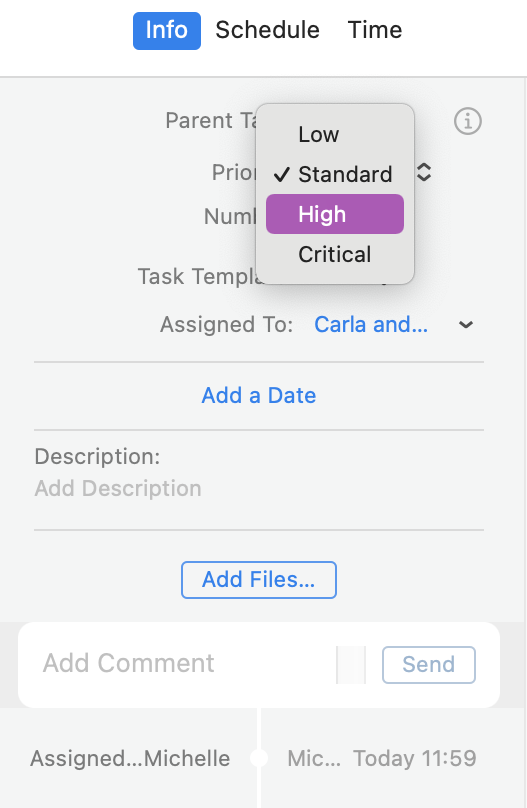
A well-structured master schedule should highlight the most critical aspects of a project, ensuring that key tasks and milestones receive the necessary attention and resources. Establishing clear priorities helps teams stay focused and work efficiently. Utilize priority ranking systems, such as critical path analysis or priority matrices, to determine which activities directly impact project success. In Cirkus, you can easily assign priorities to your tasks, helping you identify important or urgent actions at a glance. This structured approach ensures that nothing falls through the cracks and that your team remains aligned on what matters most.
Break Tasks into Chunks
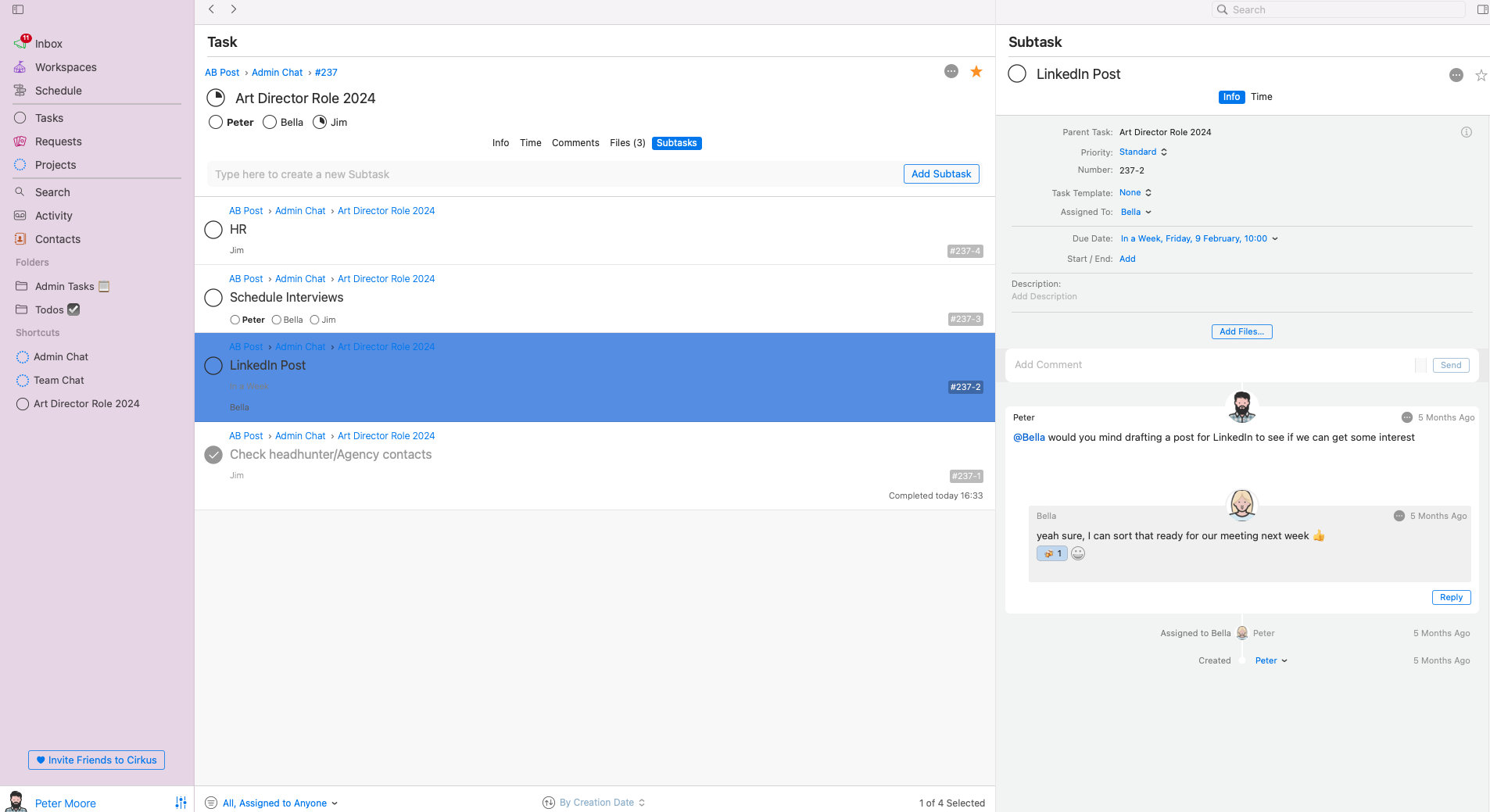
Managing large projects becomes significantly easier when tasks are broken down into smaller, more manageable components. Using a Work Breakdown Structure (WBS) allows teams to divide deliverables into actionable steps, simplifying responsibility assignments, tracking progress, and identifying bottlenecks before they cause delays. In Cirkus, you can create tasks and subtasks, helping you better organize your workload and gain a clear visual overviewof everything that needs to be done. Additionally, you can track progress, mark tasks as done, on hold, or in progress, ensuring smooth workflow management.
Stay Flexible
Even the most well-planned schedules face unexpected challenges. Start with Cirkus to stay flexible, allowing teams to adjust timelines, reallocate resources, and integrate feedback without derailing the project. Regularly updating your master schedule and leveraging dynamic scheduling tools help ensure that changes are seamlessly incorporated while maintaining overall project efficiency. With Cirkus, real-time updates and task adjustments make it easy to adapt to shifting priorities, keeping your team agile and productive
Conclusion
A master schedule is a crucial element in project management, enabling teams to coordinate tasks, allocate resources efficiently, and track progress seamlessly. Understanding what is an integrated master schedule and how it enhances workflow can significantly improve project execution. By integrating a structured scheduling system, businesses can boost productivity, stay organized, and meet deadlines with confidence. With Cirkus, managing schedules becomes even easier, providing a streamlined and flexible solution for effective project management. Try Cirkus today – contact us for a demo!
FAQ
What is an Integrated Master Schedule?
An Integrated Master Schedule (IMS) is a detailed, structured project schedule that consolidates all tasks, milestones, dependencies, and resources into a single, unified framework. It ensures seamless coordination across different project phases, providing a clear roadmap for execution, tracking, and decision-making.
Who is Responsible for Managing the Master Schedule?
The Integrated Master Scheduler (IMS Manager) is responsible for creating, maintaining, and updating the master schedule to ensure the project stays on track. Their role involves tracking progress, adjusting timelines, managing dependencies, and communicating changes to stakeholders. With Cirkus, teams can efficiently manage schedules using a collaborative platform, ensuring visibility and alignment across all project participants.
How Often Should a Master Schedule Be Updated?
A master schedule should be reviewed and updated regularly to reflect changes in scope, unforeseen delays, and shifting priorities. The frequency of updates depends on project complexity, but weekly or bi-weekly reviews are common for proactive management. With Cirkus, teams can make real-time adjustments, track progress, and collaborate seamlessly, keeping schedules accurate and up to date.